What is the difference between a wine fermentation tank and a beer fermentation tank?

In the process of brewing high-quality wine or beer, the role of the fermentation tank is far more than a “container”. It is the core equipment of the entire fermentation process, directly affecting the output, taste, quality and efficiency. Whether you are running a boutique winery or managing a craft brewery, understanding the structural and functional differences between wine fermentation tanks and beer fermentation tanks will help you make more reasonable equipment investment decisions.

1. Fermentation process: low pressure and slow vs. precise control
Wine fermentation is usually mild and the process is slow, especially red wine, which requires a certain degree of ventilation during the fermentation process, so the pressure requirements for the tank body are not high, but the requirements for hygiene and inert materials are high.
The beer fermentation process is more complex and precise, usually carried out in a closed and controllable pressure environment, involving yeast management, temperature control and carbon dioxide release. Most commercial systems will adopt the fermenter brewery fermentation mode, requiring the equipment to have functions such as pressure resistance, sealing, and automatic temperature control.
2. Differences in tank structure and material
Wine fermentation tanks mostly adopt a vertical cylindrical structure, with a simple design, emphasizing the convenience of cleaning and temperature regulation. High-end wineries sometimes use open fermentation tanks to enhance the expression of brewing flavor. Common materials include stainless steel wine fermentation tanks and plastic wine fermentation tanks, the latter of which is suitable for experimental small batches.
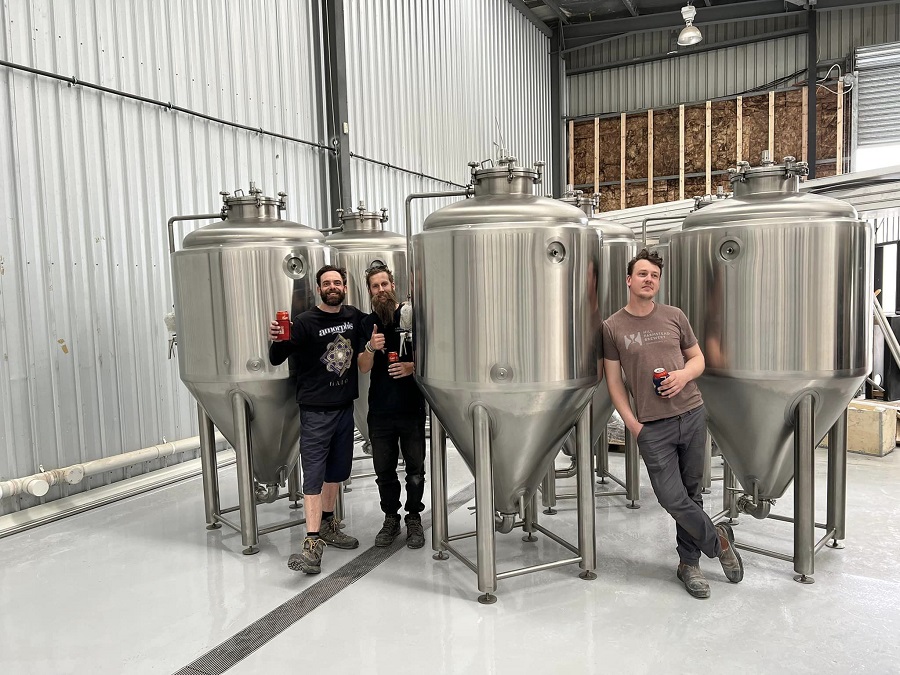
Beer fermentation tanks generally use a conical bottom structure to facilitate sediment collection and discharge. Almost all commercial systems provided by mainstream beer brewing equipment manufacturers are made of stainless steel, which is suitable for frequent fermentation and CIP high-pressure cleaning. It is a standard configuration for professional home brewing equipment and industrial equipment.
3. Temperature and pressure control system
Wine fermentation relies more on external cooling plates or environmental temperature control, and the equipment itself does not require high pressure adaptation. In contrast, beer fermentation has extremely high requirements for temperature control systems: cooling jackets, automatic constant temperature systems, pressure valves and other configurations are essential. These technologies have become basic functions in industrial brewing equipment systems.
4. Application scenarios and capacity flexibility
The capacity of wine fermentation tanks ranges from hundreds of liters to tens of thousands of liters, which is suitable for wineries of different sizes. Some small winemakers also prefer to use flexible plastic wine fermentation tanks.
Beer equipment is more modular, and the fermentation tank needs to form a complete system with saccharification pots, boiling pots, brite tanks, etc. The commercial system usually has a capacity of 500L to 5000L, and supports batch fermentation and process standardization. It is one of the core modules of beer making equipment commercial.
5. Cleaning and automation level
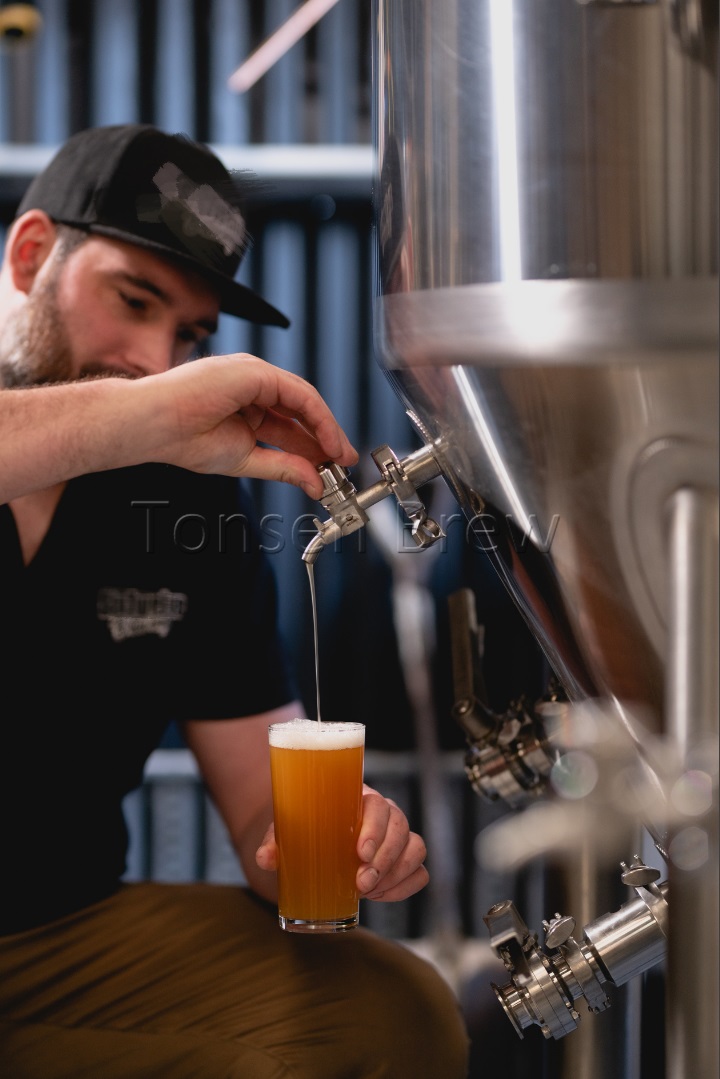
Beer fermentation tanks started earlier in automation, and are mostly equipped with CIP online cleaning systems, high-pressure spray balls, mirror polished tank walls and other functions to ensure high hygiene standards and high turnover efficiency.
Wine equipment traditionally relies more on manual or semi-automatic cleaning, but in recent years, it has also begun to introduce functions such as automatic temperature control, pH monitoring, and cloud management. Especially in medium and large wineries, the level of intelligence is rapidly improving, and the two types of equipment are gradually approaching the trend of digitalization.
6. How to choose the right fermentation tank?
If you are operating a brewery or craft project, you should give priority to equipment with a cone bottom, pressure regulation, cooling jacket and CIP function, and cooperate with experienced beer brewing equipment manufacturers.
If you are a boutique winery, you can choose stainless steel wine fermentation tanks of appropriate capacity according to the brewing variety and production target; when the budget is limited, you can also use plastic wine fermentation tanks as a temporary or auxiliary solution.