
The Role Of Preventive Care In Supporting Orthodontic Success
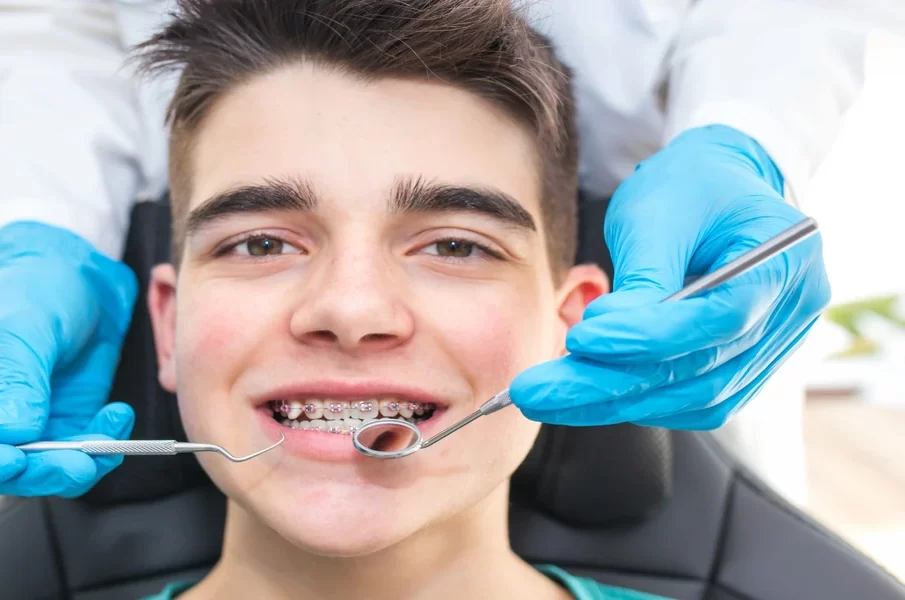
You brush, you show up for adjustments, and you still worry that something small could throw off months of progress. That feeling is common. Orthodontic treatment asks a lot from you, not just money and time, but daily attention. A Gresham dentist can help catch a loose bracket, swollen gums, or a cavity hiding between teeth, since any of it can slow movement, change the plan, or leave you with straight teeth that do not feel as healthy as they should.
The role of preventive care in supporting orthodontic success is simple to understand once you see it clearly. Braces and aligners move teeth. Preventive care protects the teeth, gums, and bone that make that movement possible. Cleanings, exams, fluoride, good home care, and early treatment of small problems keep your orthodontic plan on track and lower the risk of delays, discomfort, and added cost.
Preventive dental care protects the foundation of orthodontic treatment
Orthodontics depends on healthy tissue. Teeth move through bone, and that movement works best when your gums are not inflamed and your enamel is not breaking down. If plaque builds up around brackets or under aligners, irritation starts fast. Gums puff up, brushing gets harder, and the places that need the most attention become the easiest to miss.
You might think straightening teeth is mostly mechanical. It is not. Your mouth is a living system, and when one part is struggling, the rest feels it. A patient with untreated gingivitis may need extra visits, a pause in treatment, or more intensive cleanings before the orthodontic plan can continue safely. A small cavity can turn into a larger repair if it sits under orthodontic hardware for too long.
That is why a general dentist matters during orthodontic care. Routine exams catch problems before they grow. Professional cleanings remove buildup that regular brushing leaves behind. Fluoride supports enamel when it is under stress. This is the quiet work behind orthodontic treatment support, and it often decides whether treatment stays smooth or becomes frustrating.
Public health guidance reflects the same point. The CDC oral health goals focus on preventing decay and gum disease because oral health affects long term outcomes, function, and quality of life. The federal Healthy People oral conditions objectives also emphasize prevention and access to care, which matters even more when you are already in active treatment.
Small oral health problems can lead to bigger orthodontic setbacks
The trouble with preventable issues is that they often do not hurt right away. White spots around brackets can be the first sign of enamel damage. Bleeding gums may seem minor, but they can signal inflammation that makes your mouth more sensitive and harder to clean. Bad breath, food traps, and tenderness are often the early signs people try to brush off.
Then the practical side hits. If your dentist finds decay that needs a filling, your orthodontist may need to adjust the plan. If a tooth has deep gum issues, movement may need to slow down. If oral hygiene has slipped for months, aligner wear can become less predictable because the tissues are irritated and sore. What looked like a cosmetic process starts to feel like a health problem, because it is one.
For children and teens, preventive visits also help parents keep up with changing habits. A child who was once easy to supervise may suddenly resist flossing around wires. Adults run into a different version of the same problem. Work gets busy, routines slip, and aligners start coming out more often than they should. The risk is not a lack of effort. It is that orthodontic care asks for consistency every day, and life does not always cooperate.
If you want a reliable overview of braces, aligners, and common orthodontic issues, MedlinePlus orthodontia information gives a clear starting point.
Preventive care and orthodontic success are easier to maintain with clear habits
Preventive care for braces and aligners works best when your dentist and orthodontist are not acting separately. You need both. One moves the teeth. One protects the mouth during the process. When those roles stay connected, treatment tends to be more predictable.
| Preventive habit | What it supports during orthodontics | What can happen if skipped |
|---|---|---|
| Routine dental cleanings | Removes plaque and tartar around brackets, wires, and gumlines | Gum inflammation, harder cleanings later, treatment delays |
| Regular dental exams | Finds cavities, enamel changes, and gum issues early | Larger repairs, added cost, changes to the orthodontic plan |
| Daily flossing and careful brushing | Keeps tissues healthy so teeth can move more comfortably | Bleeding gums, plaque buildup, white spot lesions |
| Fluoride use when recommended | Strengthens enamel during periods of higher plaque risk | Higher risk of decalcification and early decay |
| Diet awareness | Reduces sticky sugars and breakage risks | Broken appliances, more plaque retention, enamel damage |
This is where many people feel relief. You do not need perfect habits. You need habits that are strong enough to protect progress. A missed flossing session is not the problem. A pattern of missed care is.
Three steps you can take now to support orthodontic success
1. Keep your general dentist involved throughout treatment. Do not wait until something hurts. Stay on schedule for exams and cleanings, and tell your dentist you are in active orthodontic care so visits can focus on the areas most likely to be missed.
2. Tighten your home routine around the weak spots. Spend extra time near brackets, along the gumline, and between back teeth. If you wear aligners, brush before putting them back in and clean the trays as directed. The goal is not intensity. It is consistency.
3. Act early when your mouth feels different. Bleeding, swelling, sensitivity, white marks, or a bad taste that lingers should not be ignored. Fast treatment of a small issue usually protects both your oral health and your orthodontic timeline.
Healthy teeth and gums make orthodontic results more stable
Straight teeth are only part of the outcome. You want teeth that are strong, gums that fit well around them, and a result that feels worth the effort it took to get there. Preventive care supports all of that. It reduces avoidable problems, helps your treatment stay on course, and gives your final result a healthier base.
If you are in orthodontic treatment or planning to start, make preventive visits part of the plan from day one. A general dentist can help protect the work your orthodontic treatment is trying to achieve, and that support often makes the whole process easier to live with.


