How an EDC Trauma Kit Can Be a Lifesaver in Everyday Emergencies
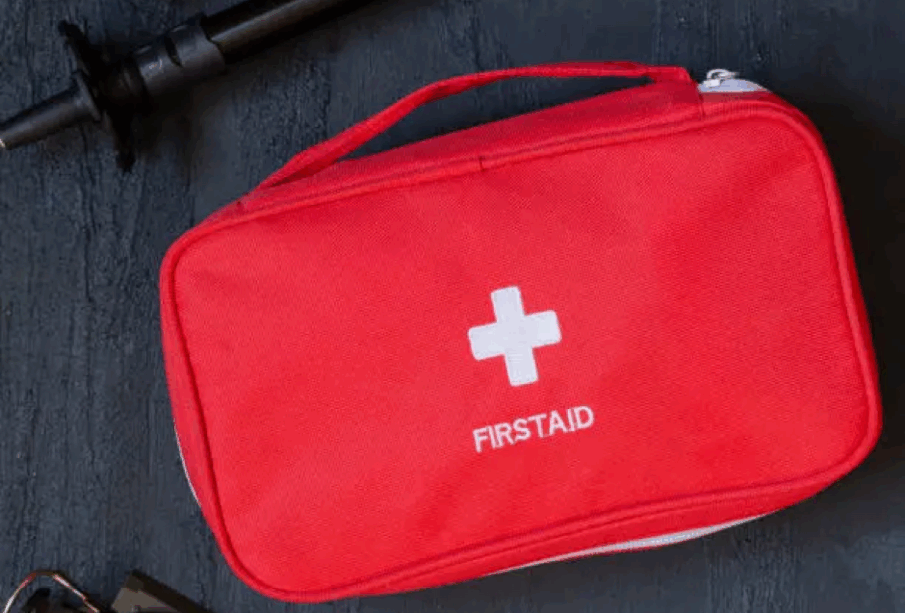
Precautionary measures in every sector, including business, can improve safety and minimize risks. Emergency first aid can change an ordinary moment into a critical moment and vice versa, hence, for logistics, security, transport, and even office management, an EDC Trauma Kit Is more than a convenient tool. If your business in these sectors do not have these kits simplified, structured and integrated into your safety program, t. There is a big gap in your program. These EDC Trauma Kits are Tactical First aid Kits.
Understanding the Role of an EDC Trauma Kit in Business Safety
An EDC trauma kit is one that holds and organizes portable, lifesaving medical tools meant to stabilize a patient in case of emergency. First aid supplies are available in all businesses, buildings and constructions, however, one should understand the difference between first kits and advanced trauma kits. First aid is simply a soft band applied where a wound is and antiseptic is poured. An advanced trauma kit is a step further than that. It stops severe bleeding, manages air blocking, and stabilizes the patient where necessary till medical support arrives.
This distinction is important for B2B organisations, For instance, when businesses incur risks in the use of heavy machinery, on the roads, or in the fields, the risks are serious, and the attendant equipment is more cumbersome than what is attainable in a standard kit for small cuts and scrapes. The tactical first aid kit is designed precisely so that businesses do not only comply with safety regulations, but are also ready for the worst scenarios.
The Importance of Tactical First Aid Kits for High Risk Industries
High-risk industries like construction, oil, and gas, police work, and haulage all have unique challenges that are common across the sectors. As such, a tactical first aid kit is a necessity for the set. The kit is built specifically for use in such scenarios as the arrival of emergency services in the event of overloaded burns, heavy hemorrhaging, fractures, or blockages in the airway.
When businesses purchase and use these kits, they stay ahead of the pack as far as employee safety is concerned. The use of such kits reduces the impact of workplace accidents, thereby enhancing the reputation of the organization for care. Furthermore, such equipment with the site on high risk industries reduces delays on time sensitive tasks, maximizing profit as the risk of downtimes is mitigated during these crucial periods.
As a matter of fact, the majority of regulatory authorities in various jurisdictions already endorse or demand advanced trauma preparedness for high-risk companies. Organizations that do not adopt these policies will be obligated to pay fines, be sued, or suffer damage to their reputation as a result of not properly safeguarding employees.
Key Components Every Business Should Consider
When considering an EDC trauma kit on a corporate level, policymakers should identify critical components that correspond to their company’s activities. Though the scope of kits can be wide-ranging, the most effective ones almost always include:
- Hemorrhage control tools such as the emergency trauma dressing to stop the bleeding.
- Airway management devices that can neurologically assist breathing in trauma protocols.
- Burn treatment supplies to assist in the restoration of damage to the skin through the rapid response to thermal or chemical injury.
- Immobilization equipment such as splints to disrupt the stabilizing of broken bones.
- Specialized tools such as trauma shears for the removal of clothing or equipment during emergency treatment.
By guaranteeing these components, companies can formulate a robust kit that addresses their specific risks. Use one of the cited sentences to show the relevance of both keywords: An edc trauma kit and tactical first aid kit combination ensures that businesses can respond promptly and with confidence to both trauma emergencies and everyday incidents.
Packing every component of the kit would need to be tailored to the user. While heavier kits can be stationed in any vehicle or office space alongside their counterparts in warehouses or distribution centers, a small, lightweight kit would be ideal for a mobile team, team drivers, or field engineers.
Building a Culture of Preparedness in the Workplace
Having an EDC trauma kit is more like a box to check than the finish line of a race. The race truly ends with how well it is assimilated into a company’s ethos. Those wishing to get the most value out of these tools will appreciate the need for penetration into the culture of the organization.
For B2B audiences, this remains an add-on for measurable value. Clients, partners, or even regulators are always attracted to an organization that is keen on the practice of safety and not just the paperwork. This goes beyond compliance and enhances trust for business at all levels.
All these can be achieved with:
- Drills designed to paint a picture of an emergency and increase speed to the target.
- Cross training employees at all levels on the best practices of trauma supply use.
- Placement of kits in all vehicles and at all workstations designed to be as clear as possible.
- Surveillance of both space and time to confirm that restocking has taken place and the level is at the top.
- Checks to confirm that the right supplies to the right goals are in place.
The Business Value of Investing in Trauma Kits
Apart from saving employees’ lives, investing in trauma kits has tangible dividends for a business. Some of the benefits include the following:
- Less downtime: Faster response to the accidents decreases the time operations are stopped.
- Regulatory adherence: Certain industries are dictated to have a minimum of advanced first-aid as a requirement of the practice.
- Employee retention: Employees are likely to stay in a company that has made initiatives for their safety.
- Risk mitigation: Proper safety measures eliminate the chances of expensive lawsuits.
- Improved image: Partnership opportunities as well as clients are more likely to do business with organizations that promote health and safety at work.
In the current business environment, an organization is almost as likely to be evaluated based on the measures in place to safeguard employees as on the goods and services created. A tactical first aid kit is emblematic of an implement of a certain level of expectation and machinery of sorts.
Conclusion
In contemporary business practice, emergencies have now turned from an “if” scenario to a “when” issue. Companies have the option of adopting the EDC trauma kit as a primary critical tool that will serve to mitigate risk, defend employees, and uphold business continuity. The tactical first aid kit is especially designed for high-risk industries and provides the necessary safety measures that will save lives before professional help is summoned.Appropriate trauma kit usage would go beyond checking a box of compliance and would serve as a demonstration of B2B organizations’ intentions as far as employee health and corporate image investment are concerned.