
Navigating the Process of Customizing Armored Cars for Maximum Safety and Performance
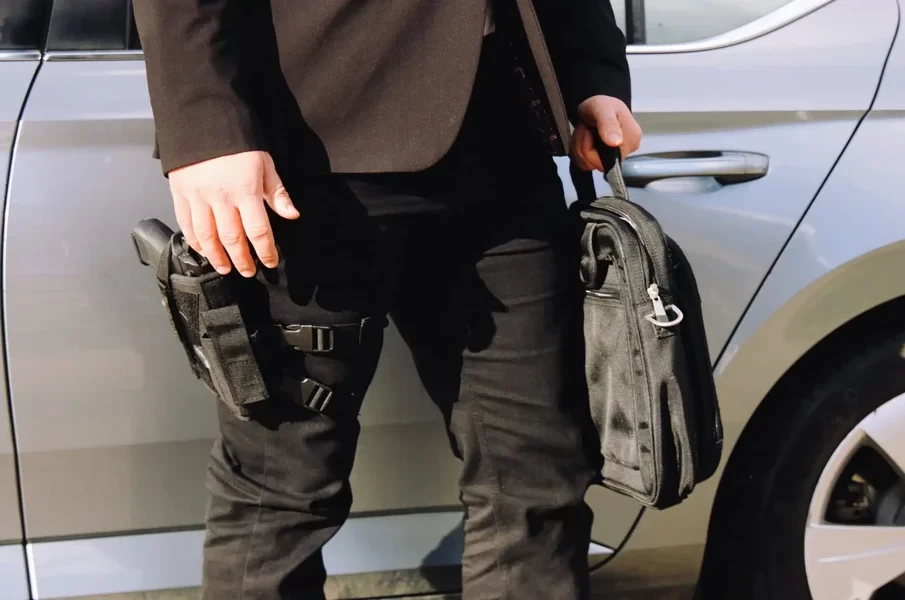
When the stakes are high, standard safety features just do not cut it. People and organizations facing unique security threats increasingly turn to customized armored vehicles, expecting not only bulletproof exteriors but also reliable performance on the road. The process is a blend of science and art, where tailored solutions must preserve, sometimes even enhance, a vehicle’s core capabilities while delivering unmatched protection.
Understanding Armored Vehicle Customization: Safety Meets Performance
No two clients have the same security needs. A diplomatic convoy in a dense city faces very different risks compared to a private executive commuting through remote areas. That is why tailored armoring solutions are crucial. They allow for the precise application of ballistic materials and technologies in the places they are needed most, without overburdening the vehicle with unnecessary weight.
Yet, upping the armor can change the way a car handles, accelerates, and even brakes. Striking the right balance between maximum protection and responsive vehicle dynamics is a constant challenge. Achieving this harmony is what separates basic armored conversions from elite, road-ready machines.
How do engineers measure success here? Key performance metrics include acceleration (since added weight can slow response times), turning radius, overall ride comfort, and, of course, survivability in high-threat scenarios.
Core Components of Armored Vehicle Customization
Ballistic Protection Technologies and Materials
Armored vehicles rely on a mix of hardened steel, advanced ceramics, and composite fabrics like Kevlar to shield against firearms and explosives. These materials are strategically layered throughout critical points, doors, floors, and engine bays, to create a continuous cocoon of protection. Selecting the right combination depends on the threat level and desired level of discretion.
Reinforced Chassis, Suspension, and Brake Upgrades
The sheer weight of ballistic materials can overwhelm a conventional chassis and suspension. To counteract this, specialists reinforce the frame, install heavy-duty springs and shocks, and upgrade brakes for stopping power. This keeps the vehicle stable and responsive, even when fully loaded with armor and passengers.
Integration of Security Systems and Technology
Modern armored vehicles often feature advanced security tech: run-flat tires, smoke screen deployment, emergency sirens, and surveillance cameras. These systems are seamlessly integrated, making the vehicle a moving fortress without drawing unwanted attention.
Armored Glass: Types and Performance Standards
Not all bulletproof glass is created equal. Multi-layered ballistic windows are engineered to stop everything from handgun rounds to high-powered rifles, while remaining optically clear and resistant to shattering. Stringent standards ensure glass fits perfectly, seals against explosions, and maintains visibility under attack.
The Customization Process: Step-by-Step Breakdown
Initial Vehicle Selection and Chassis Inspection
The journey begins with selecting a base vehicle, often a high-end SUV or sedan. A detailed chassis inspection follows, identifying structural weak points and mapping out necessary reinforcements.
Preparation and Disassembly for Armoring
Next comes a painstaking disassembly. Interior panels, seats, and electronic components are removed to expose the bare bones. This preparation phase ensures armor fits seamlessly, preserving the vehicle’s original appearance and feel.
Assembly: Installing Armor and Upgrading Performance Features
Engineers then install armor panels, ballistic glass, and security upgrades. At the same time, they reinforce the frame and fit suspension and brake upgrades. Attention to detail is critical, as even a small oversight can create vulnerabilities.
Rigorous Quality Control and Testing Procedures
Every customized armored vehicle undergoes a battery of inspections, from visual quality checks to dynamic road tests. Ballistic tests might be performed on sample panels to ensure standards are met before final assembly.
Post-Installation Services: Spare Parts and Maintenance
The work is not over once a vehicle leaves the facility. Reliable firms, such as those offering Troy Armoring bulletproof vehicles, provide ongoing post-sale support, including armored spare parts and scheduled maintenance. This service is vital for keeping both the protection and performance of the car at peak levels over time.
Enhancing Safety Without Sacrificing Luxury and Comfort
Elite armored cars are not just about security; they are also about an uncompromised driving experience. Maintaining plush interiors, high-end electronics, and climate control systems in the face of added armor is a defining challenge.
Engineers deploy specialized insulation and vibration-dampening materials to keep noise and harshness in check. Modern HVAC upgrades ensure that even with thicker doors and windows, the cabin stays cool and comfortable, regardless of outside threats.
Compliance, Certification, and Industry Standards
For armored vehicles, meeting or exceeding global ballistic rating standards is non-negotiable. These ratings (such as NIJ or VPAM) define the level of threat the vehicle can withstand. Only after passing rigorous tests and certifications can a vehicle be deemed truly road-worthy in the security industry.
Working with established industry leaders ensures that vehicles are not just built to spec, but tested and validated by independent experts.
Future Trends in Armored Vehicle Customization
Innovation is reshaping armored vehicles. Lightweight armor materials, think nano-composites and next-generation ceramics, promise to reduce weight without sacrificing strength. Smart security integrations, from remote monitoring to AI-driven threat detection, are making vehicles safer and more connected. The march toward sustainable armoring is accelerating as well, with eco-friendly materials and efficient engines minimizing the environmental footprint.
From executive sedans to VIP SUVs, the world of custom armored vehicles is advancing rapidly. Balancing luxury, performance, and absolute safety requires precision, expertise, and a relentless drive for innovation. For those who demand the best in protection, the journey does not end with bulletproof glass and reinforced steel; it is a constant evolution, keeping pace with the world’s ever-changing threats.