
Hiatal Hernia vs. Acid Reflux: How to Tell the Difference
Heartburn, a burning sensation in the chest, or food coming back into the throat are often assumed to be signs of acid reflux. While this is frequently the case, these symptoms can sometimes be linked to a hiatal hernia, a structural condition that can contribute to or worsen acid reflux. Since the two conditions are closely connected and often occur together, it can be difficult to distinguish between them based on symptoms alone. If your symptoms persist or worsen despite dietary and lifestyle changes, consult a reputable hernia surgeon serving Dallas, Fort Worth, and the surrounding areas. An evaluation can help determine whether conservative treatment is sufficient or if hernia surgery is recommended. In this article, we’ll explain what acid reflux and a hiatal hernia are, how they differ, why an accurate diagnosis is important, and when you should consider consulting a hernia surgeon.
Understanding Acid Reflux
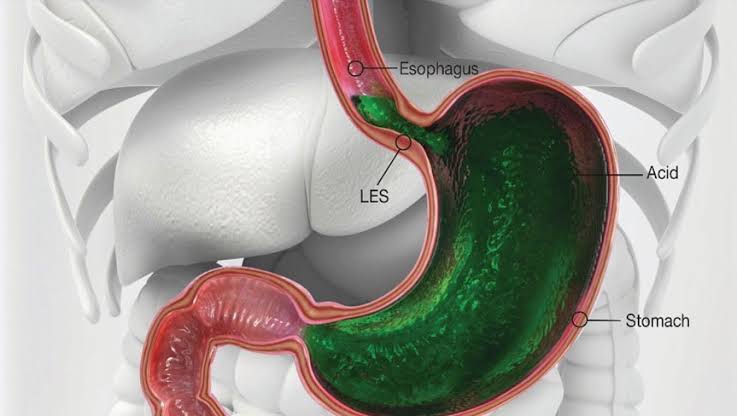
Acid reflux occurs when stomach acid flows back into the oesophagus, the tube that carries food from the mouth to the stomach. Under normal circumstances, a ring of muscle called the lower oesophageal sphincter (LES) opens to allow food into the stomach and closes afterward to prevent stomach contents from moving back up. When this sphincter becomes weakened or relaxes at inappropriate times, stomach acid can escape into the oesophagus.
Several factors can contribute to acid reflux by increasing pressure on the stomach or affecting the function of the LES. These include certain foods and beverages, large or late meals, excess body weight, smoking, pregnancy, and some medications. When acid reflux occurs frequently or persists over time, it may be diagnosed as gastroesophageal reflux disease (GERD), a chronic condition that often requires ongoing management.
Understanding Hiatal Hernia
A hiatal hernia occurs when part of the stomach pushes upward through the hiatus, an opening in the diaphragm that allows the esophagus to pass from the chest into the abdomen. Under normal circumstances, the stomach sits below the diaphragm, which helps support the lower esophageal sphincter (LES) in preventing stomach contents from flowing back into the esophagus.
There are two main types of hiatal hernias:
- Sliding Hiatal Hernia: The most common type, it occurs when the upper part of the stomach and the junction between the stomach and esophagus move above the diaphragm.
- Paraesophageal Hiatal Hernia: A less common type in which part of the stomach pushes through the diaphragm alongside the esophagus while the junction between the stomach and esophagus remains in its normal position.
Since the diaphragm and the LES work together to help prevent acid reflux, changes in their normal positioning can weaken this natural barrier. Consequently, a hiatal hernia does not always cause acid reflux, but it can make reflux more likely or worsen existing symptoms.
Also Read: Hiatal Hernia – Causes, Symptoms, Diagnosis, and Treatment in Texas
Why the Two Get Confused
Acid reflux and hiatal hernias are closely related and often produce many of the same symptoms. This overlap makes it easy to mistake one condition for the other. Some of the symptoms commonly associated with both conditions include:
- Heartburn: A burning sensation in the chest, often occurring after meals or when lying down.
- Regurgitation: The sensation of stomach contents or a sour-tasting liquid flowing back into the throat or mouth.
- Chest discomfort: Mild to moderate discomfort that may be mistaken for other conditions.
- Bloating after meals: A feeling of fullness or abdominal bloating, particularly after eating larger meals.
How to Tell the Difference Between Acid Reflux and a Hiatal Hernia
Though acid reflux and a hiatal hernia can produce similar symptoms, there are some important differences in their underlying cause and how they are managed. While symptoms alone cannot provide a diagnosis, the following comparison highlights key distinctions:
| Acid Reflux | Hiatal Hernia |
| Caused by stomach acid flowing back into the esophagus due to a weakened or relaxed lower esophageal sphincter (LES). | Caused by part of the stomach pushing through the diaphragm into the chest cavity. |
| May occur on its own without any structural abnormality. | Is a structural condition that can contribute to or worsen acid reflux. |
| Often responds well to lifestyle changes and acid-reducing medications. | May require additional evaluation if symptoms persist or if the hernia is large or causing complications. |
| Does not necessarily indicate an anatomical problem. | Involves a change in the normal position of the stomach and diaphragm. |
While these differences can provide helpful context, they are not enough to confirm a diagnosis. A medical evaluation is often required to identify the underlying cause and determine the most appropriate treatment. For individuals in Dallas, Fort Worth, Mansfield, and Plano seeking evaluation or treatment for hernia-related concerns, it is advisable to consult a surgeon with a proven track record in hernia repair.
Importance of Medical Evaluation
A medical evaluation is important because acid reflux and hiatal hernias can cause similar symptoms but may require different treatment approaches. Acid reflux often improves with dietary and lifestyle changes, while some hiatal hernias may require hernia surgery, particularly when symptoms are severe, persistent, or associated with complications. Identifying the underlying cause helps ensure that treatment addresses the condition rather than simply relieving the symptoms. To confirm the diagnosis, an experienced hernia surgeon may recommend one or more of the following tests:
- Upper endoscopy: A thin, flexible tube with a camera is used to examine the esophagus, stomach, and upper part of the small intestine. It helps identify a hiatal hernia, detect inflammation or damage caused by acid reflux, and rule out other conditions that may be causing similar symptoms.
- Barium swallow (esophagram): After swallowing a liquid containing barium, a series of X-rays is taken to visualize the esophagus and stomach. This test is particularly useful for identifying the presence, size, and type of a hiatal hernia and evaluating how the esophagus functions during swallowing.
- Esophageal pH monitoring: This test measures the amount of acid entering the esophagus over a period of time, helping confirm gastroesophageal reflux disease (GERD) and evaluate the severity of acid reflux.
- Esophageal manometry: This test measures the strength and coordination of the esophageal muscles and the lower esophageal sphincter (LES). It is often performed when swallowing difficulties are present or before anti-reflux or hiatal hernia surgery to assess esophageal function.
Most of these tests are performed on an outpatient basis and provide valuable information to support an accurate diagnosis and guide appropriate treatment.
When to Consult a Hernia Surgeon
Occasional heartburn after meals is common and may improve with simple dietary or lifestyle adjustments. However, when symptoms become frequent, persistent, or difficult to manage, it may indicate an underlying condition that requires medical evaluation. You should consider consulting a hernia surgeon if you experience:
- Frequent heartburn: Symptoms occurring more than twice a week or not improving with over-the-counter medications
- Persistent reflux symptoms: Ongoing regurgitation, chest discomfort, or bloating despite lifestyle changes
- Difficulty swallowing (dysphagia): A sensation of food sticking or moving slowly through the esophagus
- Unexplained weight loss: Especially when accompanied by digestive symptoms
- Chest pain or pressure: Particularly if it is new, severe, or unclear in origin (medical evaluation is important to rule out cardiac causes first)
- Worsening or changing symptoms: Symptoms that gradually increase in frequency or intensity over time
Seeking timely medical advice helps ensure that acid reflux, a hiatal hernia, or another digestive condition is properly identified and managed before symptoms progress or complications develop.
Also Read: Different Types of Hernia & Their Surgical Treatment Options
Final Word
Acid reflux and hiatal hernias are closely connected conditions that often produce similar symptoms, which is why they are frequently confused. While they differ in their underlying structure and causes, distinguishing between them without a proper medical evaluation can lead to delayed or incomplete treatment.
If you or a loved one is experiencing persistent heartburn or reflux that continues despite lifestyle changes, it is important to consult an experienced hernia surgeon. A thorough evaluation can help determine whether an underlying structural issue, such as a hiatal hernia, may be contributing to the symptoms and guide the most appropriate course of treatment, including hernia surgery when necessary.
Leading centres, including DFW Bariatrics and General Surgery in Dallas, Fort Worth, Mansfield, and Plano, provide access to specialists experienced in diagnosing and treating a wide range of hernias, including hiatal, umbilical, inguinal, epigastric, and incisional hernias, using modern, minimally invasive approaches that support accurate treatment and improved recovery outcomes.