
What Makes a Singapore Condo a Good Long-Term Home?
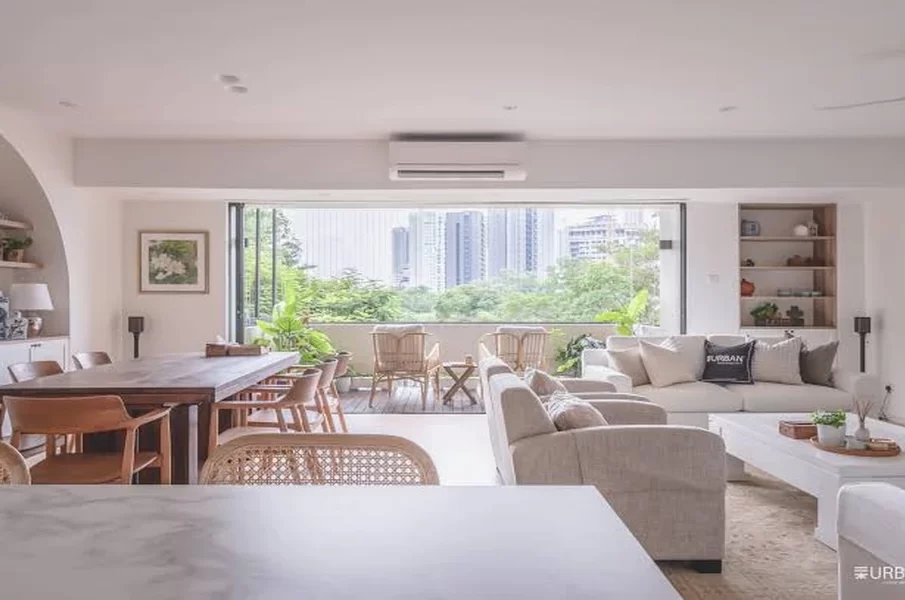
A condominium can look impressive when viewed through a brochure or showflat, but long-term homeownership is about much more than appearance. The qualities that make a property enjoyable for a few months are not always the same qualities that make it practical for five, ten or fifteen years.
Singapore homeowners have to think carefully about space, convenience, neighbourhood character, household changes and financial sustainability. A property should support everyday life without becoming an excessive financial burden.
This is particularly relevant when choosing between multiple private residential developments. The most suitable home is often not the one with the most features, but the one that continues to work as circumstances evolve.
Start With the Life You Expect to Live
Property decisions are easier when buyers think about their actual lifestyle rather than an idealised version of it.
Consider a normal weekday.
Where do you wake up, work, exercise, shop and spend time with family? How frequently do you travel across Singapore? Do you regularly entertain guests? Do you work from home?
These questions help identify the features that will have genuine value.
For example, someone who spends most of the week working from home may care deeply about natural light, a quiet room and sufficient workspace. Another buyer who spends little time at home may place much greater importance on transport connectivity.
There is no universal definition of a perfect home.
Space Should Be Judged by Function
Many buyers begin with a target unit size, but the number itself does not necessarily indicate how comfortable the property will be.
A thoughtfully designed apartment can use its available area efficiently, while a larger unit with an awkward configuration may be surprisingly difficult to furnish.
When comparing units, imagine where your existing furniture would go.
Measure larger pieces if necessary. Consider wardrobes, dining furniture, storage cabinets and workstations.
Think about circulation space too. A home should not feel cramped simply because too many functions have been fitted into one room.
Good space planning can make an apartment feel significantly more comfortable without increasing its physical size.
Flexibility Becomes More Valuable Over Time
A long-term home should ideally have some capacity to adapt.
Households change.
A couple may have children. Children may grow into teenagers who require more privacy. Adults may begin working from home more frequently. An elderly parent may eventually spend more time with the household.
A flexible layout can respond to some of these changes.
A spare bedroom might become an office today and a child’s room later. A larger living area could accommodate changing furniture arrangements.
This flexibility can reduce the need to move simply because your household has evolved.
Location Should Make Everyday Life Easier
The neighbourhood around a condominium can influence the quality of everyday life just as much as the apartment itself.
Think about access to groceries, healthcare, dining, schools, parks and public transport.
Convenience becomes particularly noticeable over a long period. A five-minute difference in a daily journey may seem insignificant when viewed once, but repeated hundreds of times each year, it becomes meaningful.
For this reason, buyers should evaluate locations according to their own routines rather than relying entirely on general perceptions of prestige.
A neighbourhood that works exceptionally well for one household may be less suitable for another.
Transport Is About More Than an MRT Distance
Public transport accessibility can be an important consideration in Singapore, but buyers should look beyond simple distance claims.
A station may technically be nearby while the practical walking route is inconvenient.
Visit the route yourself.
Check pedestrian crossings, shelter, traffic conditions and the surrounding streets.
For drivers, consider the routes you actually use and how convenient they are during peak periods.
A home with several practical transport options can provide useful flexibility if employment or lifestyle circumstances change.
Think About the Neighbourhood’s Character
A long-term home should feel comfortable, not merely convenient.
Some buyers enjoy vibrant areas with restaurants, shops and activity nearby. Others prefer quieter streets with less traffic and more residential character.
Noise should therefore be considered carefully.
Visit the area at different times of day and, if possible, during weekends.
Look at nearby roads, commercial activity and communal spaces.
The goal is to understand what living in the area might actually feel like rather than making a decision based solely on photographs.
Consider How the Property Fits Into Your Budget
Long-term suitability is not only about physical comfort.
Financial sustainability matters just as much.
A property that consumes an excessive proportion of household income can become a burden even if the home itself is excellent.
Buyers should consider mortgage commitments alongside taxes, maintenance, insurance, renovation and ordinary living expenses.
It is also sensible to retain a financial buffer for unexpected circumstances.
A slightly more modest home that leaves room for savings and other priorities may ultimately provide greater peace of mind than an expensive property that stretches the household budget.
Think About Maintenance and Ownership Responsibilities
Condominium living can provide access to shared facilities and managed common areas, but these conveniences come with ongoing costs.
Buyers should understand the recurring expenses associated with ownership.
Maintenance charges can contribute to the overall cost of living, particularly in developments with extensive shared facilities.
Owners should also consider the eventual need for repairs or renovation within their own units.
A long-term home should therefore be evaluated not just according to the initial purchase price, but also according to the cost of keeping it comfortable.
Compare Properties Based on Lifestyle, Not Just Specifications
Specifications can be useful, but they should not dominate the decision.
Two properties may have similar unit sizes while offering very different lifestyles.
One might provide easier access to daily amenities, while another may offer a quieter environment. One may have a more flexible floor plan, while another may provide facilities that are more relevant to your household.
A buyer researching private residential options may encounter Lucerne Grand during the search. If it fits the relevant location and property requirements, it should be assessed according to the same lifestyle criteria as competing developments.
The important point is to understand how the property would function as a real home rather than judging it solely by its marketing presentation.
Don’t Underestimate Storage
Storage becomes increasingly important as households accumulate possessions.
A property that feels spacious on moving day can become significantly less comfortable once clothes, appliances, children’s belongings and everyday items are added.
Examine built-in storage and consider where additional storage could realistically be created.
The kitchen deserves particular attention because storage requirements can be substantial.
Buyers should also consider whether bicycles, sports equipment, luggage or other larger items have appropriate places.
Good storage contributes to a more organised home and can make a meaningful difference to long-term liveability.
Natural Light and Ventilation Matter
A home should be comfortable during ordinary daily activities.
Natural light can influence how spacious and pleasant an interior feels. Ventilation can also affect comfort.
When viewing a property, consider the direction of windows and the relationship between different spaces.
Think about how sunlight may change throughout the day.
Privacy should be considered alongside natural light. A unit may receive plenty of sunlight but face neighbouring apartments closely.
The best choice depends on the balance of characteristics that suits the household.
Facilities Should Support Your Lifestyle
Private residential developments often provide a variety of communal facilities.
However, buyers should focus on usefulness rather than quantity.
If you regularly exercise, fitness facilities may provide meaningful value. Families may appreciate children’s spaces, pools or outdoor areas.
Other buyers may rarely use shared facilities and would prefer a simpler development with lower associated costs.
Think honestly about your habits.
A facility is valuable when it improves your actual lifestyle, not merely because it looks impressive during a viewing.
Consider the Property’s Future Marketability
Long-term homeowners should still consider resale potential.
Even if you intend to remain in the property for many years, circumstances can change.
A job relocation, family change or financial decision could eventually lead you to sell.
A property with practical characteristics and broad appeal may offer greater flexibility.
This does not mean sacrificing your own preferences for hypothetical buyers. Instead, consider whether your choices also leave the property reasonably attractive to others.
Look at Competing Developments
A condominium’s future appeal is partly shaped by the properties around it.
New developments may introduce more housing choices into the same neighbourhood.
That can increase competition, particularly if several properties offer similar unit types.
Buyers should therefore understand the surrounding residential landscape before making a long-term commitment.
If you are considering different projects, Amberwood at Holland can be researched alongside other suitable options, with attention given to each property’s actual characteristics rather than simply comparing development names.
The broader objective is to understand which home provides the strongest combination of personal suitability and long-term practicality.
Think About Your Exit Even If You Are Not an Investor
Thinking about resale does not turn an owner-occupied home into an investment project.
It simply recognises that property ownership can change.
When you eventually sell, buyers may evaluate the same factors you are considering today: location, accessibility, layout, condition, pricing and neighbourhood amenities.
A property that is practical for a broad range of households may therefore provide greater flexibility.
This can be especially useful if your circumstances change unexpectedly.
Take Time to Experience the Area
Online research can provide useful background information, but personal experience remains important.
Walk through the neighbourhood.
Visit nearby amenities. Test the commute. Observe the surroundings.
Try to imagine ordinary activities rather than only the excitement of moving into a new home.
Would grocery shopping be convenient? Would your children have easy access to their regular activities? Would commuting remain manageable?
These questions can provide insights that a property brochure cannot.
Avoid Making a Decision Based on One Feature
A beautiful view, attractive kitchen or impressive facility can become the centre of attention during a property search.
But a single feature should rarely determine a major purchase.
Instead, consider the whole package.
A property with slightly less impressive facilities but an excellent layout and highly convenient location may be a better long-term home than one with spectacular amenities but a difficult commute.
Balance is important.
Conclusion
A good long-term condominium in Singapore should provide more than an attractive interior. It should fit the household’s finances, support everyday routines and remain sufficiently flexible as life changes.
Buyers should evaluate location, transport, neighbourhood character, layout, storage, natural light, maintenance and facilities. They should also consider future resale appeal and the competitive environment around the development.
The most suitable home is ultimately the one that works in ordinary life.
Instead of asking which property looks most impressive, ask which one you can comfortably afford, enjoy living in and realistically see yourself using for many years.
That shift in perspective can make the Singapore condominium buying process more practical and lead to a decision based on lasting value rather than short-term excitement.