
What Makes Modern Interior Design in Johor Bahru Feel Either Amazing or Completely Underwhelming
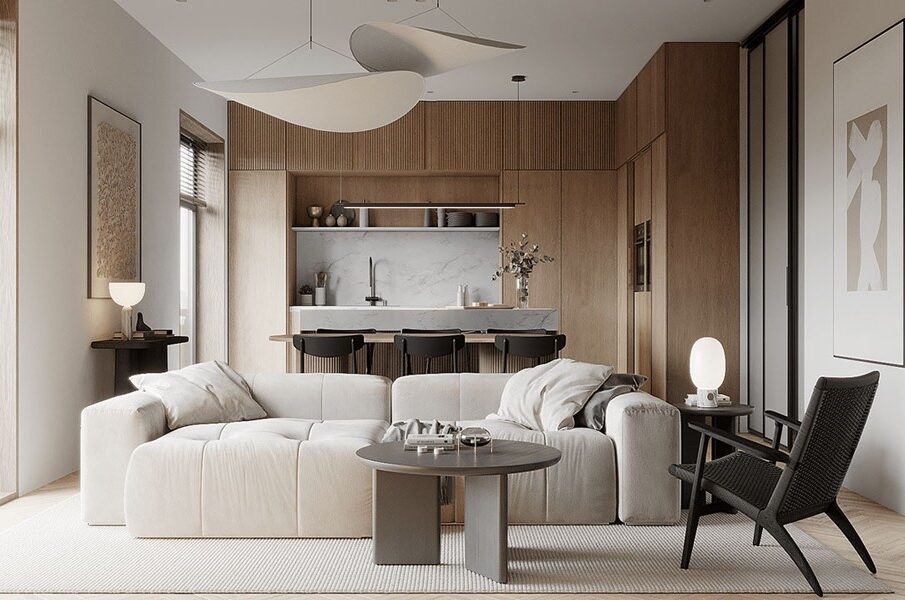
Modern interior design can go two very different ways.
In some homes and spaces across Johor Bahru, it feels clean, calm, and effortlessly put together. Everything flows, nothing feels forced, and the space just works.
But in other cases, it feels… underwhelming. Not bad exactly, just flat. Like something is missing, even though everything looks “correct” on paper.
So what creates that difference?
It usually isn’t the budget. It’s how the design decisions come together in real life.
Here’s what separates a space that feels amazing from one that doesn’t quite land.
1. Strong design intention vs just following trends.
The best modern interiors in Johor Bahru start with intention.
They are designed around:
- How people actually live
- How the space will be used daily
- What kind of atmosphere is needed
Underwhelming spaces often rely too heavily on trends:
- Popular colours
- Pinterest-inspired layouts
- Showroom-style arrangements
The result is a space that looks familiar, but doesn’t feel personal.
In many homes in Johor Bahru, this difference is immediately noticeable-the most memorable spaces always feel intentional, not copied.
2. Balance vs overcrowding or emptiness.
Modern design works best when there’s balance.
Amazing interiors usually have:
- Enough furniture to feel functional
- Enough space to breathe
- Clear visual structure
Underwhelming interiors often go in one of two directions:
- Too empty → feels unfinished
- Too full → feels cramped
Neither feels right, even if each element individually looks good.
3. Layered design vs flat visuals.
One of the biggest differences is depth.
Great modern interiors use layering:
- Lighting at different levels
- Mixed materials (wood, fabric, metal, stone)
- Subtle contrasts in colour and texture
This creates visual depth and richness.
Flat interiors tend to rely on:
- Single lighting source
- Repetitive materials
- Uniform colours without variation
Even if everything is new and expensive, it can still feel one-dimensional.
4. Thoughtful lighting vs basic illumination.
Lighting can completely change how a space feels.
In well-designed homes in Johor Bahru, lighting is layered:
- Ambient lighting for overall brightness
- Task lighting for function
- Accent lighting for mood
This creates atmosphere and flexibility.
Underwhelming spaces usually rely on:
- One overhead light
- Harsh brightness or uneven lighting
The result is a space that feels flat, no matter how nice the furniture is.
5. Functional flow vs awkward layouts.
Flow is something people feel before they notice.
Amazing interiors:
- Allow easy movement
- Group related areas logically
- Avoid unnecessary obstruction
Underwhelming ones often feel slightly “off” because:
- Furniture blocks natural paths
- Spaces don’t connect smoothly
- Movement feels restricted
Even small layout issues can make a modern space feel less enjoyable to live in.
6. Material harmony vs random selection.
Materials are one of the strongest signals of quality.
Great interiors usually combine materials in a controlled way:
- One or two dominant materials
- One or two accent textures
- Everything feels consistent
Underwhelming spaces often mix too many materials without connection.
Even if each material is high quality, the lack of harmony makes the space feel disjointed.
7. Storage integration vs visible clutter.
Modern design relies heavily on clean surfaces.
Amazing interiors hide the mess:
- Built-in storage
- Concealed compartments
- Multi-functional furniture
Underwhelming spaces often underestimate real-life clutter:
- Everyday items left out
- Limited storage planning
- Surfaces that quickly feel messy
In many homes across Johor Bahru, this is one of the biggest factors separating “beautiful” from “real-life practical.”
8. Personalisation vs generic styling.
A modern interior should still feel like a home.
Amazing spaces include:
- Subtle personal touches
- Meaningful décor choices
- Slight imperfections that feel human
Underwhelming spaces can feel too generic:
- Like a showroom
- Like a catalogue image
- Lacking personality
When everything feels too perfect, it can actually become emotionally flat.
9. Comfort vs pure aesthetics.
Finally, the most important difference is comfort.
Great design feels:
- Easy to live in
- Comfortable over long periods
- Natural and relaxed
Underwhelming design often prioritises appearance too heavily:
- Furniture looks good but isn’t practical
- Layout looks nice but doesn’t function well
- Spaces feel staged rather than lived in
In Johor Bahru, the most successful interiors are always the ones that balance beauty with real usability.
10. Emotional impact vs visual correctness.
This is the part many people overlook.
A space can be:
- Perfectly aligned
- Properly furnished
- Technically “well designed”
And still feel forgettable.
What separates great interiors is emotional impact.
Amazing spaces feel:
- Calm
- Inviting
- Memorable
Underwhelming spaces feel neutral, even if they’re visually fine.
That emotional response is what people remember long after they leave.
Final Thoughts
Modern interior design isn’t just about clean lines and minimal styling.
The difference between amazing and underwhelming comes down to:
When these elements come together, a space feels effortless and complete.
When they don’t, even a well-designed home can feel strangely flat.
In the end, great modern interiors don’t just look good.
They feel right the moment you walk in.