
Advantages Digital Meeting Room Signage can bring to Offices and Businesses
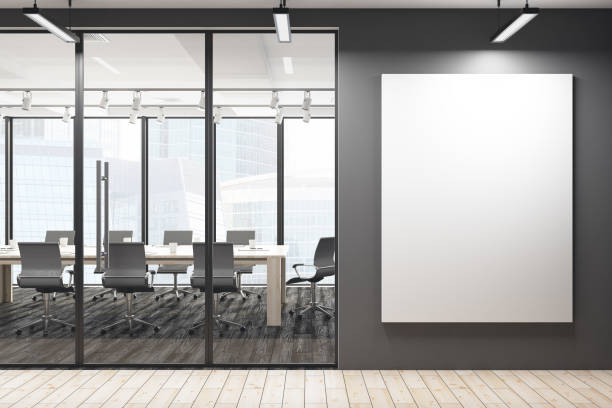
Offices and businesses are incorporating more digital technology to improve efficiencies, communication, and the overall organizational culture. One emerging technology is Digital Meeting Room Signage. Businesses can replace static printed signs with boards that dynamically display real-time information. This gives the business the ability to improve the management of logistics surrounding meeting spaces, improve communication, and elevate the office experience. This article outlines some of the benefits of digital meeting room signage and the value of partnering with registered e-paper display suppliers.
What is Digital Meeting Room Signage?
Because of the benefits offered by Digital Meeting Room Signage, the plan can be integrated seamlessly without the necessity of old systems. Electronic displays that communicate in real-time with users regarding room use, bookings, and pertinent information will streamline member’s movements. Positioned at the door to the meeting room or in a place with a lot of foot traffic, the displays will tell people if a room is in a meeting and time left or if it is free and available for use. Meeting room technology will ease flow of people and information for Office Work users.
Digital meeting room signage is most commonly displayed using e-paper technology. E-paper is inexpensive, power-conscious, and offers a high-quality picture that can be read from a distance. E-paper signs can also be updated remotely in real time, making it possible for even last minute meeting changes to be adjusted. Compared to manual alternation of traditional printed signs which rapidly become outdated, digital signs offer greater flexibility and dynamism for a lower cost.
The Key Benefits of Digital Meeting Room Signage
As a result of technology-driven improvements to communication and business facilities, digital meeting room signage offers improved business management and communication. The benefits of incorporating this Office technology are numerous, some of which are listed below.
1. Enhanced Space Utilization and Room Management
Offices often struggle with efficient room booking management which results in the ineffective use of meeting rooms. Outdated booking systems that use paper calendars and printed signage are prone to confusion and double-booking. This is resolved by digital meeting room signage which contains real-time, dynamic updates concerning a meeting room’s availability, booking status, and meeting details.
Digital signage works to automatically update meeting room bookings and schedules. This saves time and helps to avoid errors. Moreover, rooms can be better utilized and tracked over time for business insights on office layout, space optimization, and resource allocation.
2. Easy Scheduling and Real-Time Updates
Digital signage for meeting rooms allows real-time updates on meeting details so that everyone can see the most current status and bookings. Integrated with cloud-based scheduling, these digital displays can automatically update with any meeting changes, cancellations, or bookings made from other devices, no manual input needed.
These digital displays also allow employees to control room bookings. Whether they’re making a reservation, or extending time, real-time updates cut inefficiencies and minimize unnecessary back and forth.
3. Enhanced Collaboration through Communication
Interoffice digital meeting room signage improves communication, which is pivotal in achieving collaboration. When meeting room schedules are displayed digitally, employees can easily tell where people can access spaces for spontaneous meetings, removing meeting space searching confusion.
Also, modern digital meeting room signs communicate for apart from integrating with calendars and other meeting tools, interacting with meeting agendas, materials, and participants within meetings. This improves resource collaboration, and interoperability without fragment tools.
4. Professionalism and Office Aesthetic Appeal
Office cleaning increases the perception of clients, employees, and visitors. While serviced paper-based signage may shift the perception favorably, digital signage has ultimately improved the perception and modernized the office. E-paper displays deliver a cleansed and polished professional atmosphere, conveying to clients and employees a technologically advanced perception of the office.
Beyond creating a stunning atmosphere, digital signage can also be tailored to incorporate the businesses color palettes, branding, and logos to create a harmonized look across the office. This level of thoughtful consideration not only maximizes the office’s beauty, but also communicates the brand’s identity.
5. Energy Efficiency and Cost Efficiency
From the environmental and operational cost perspectives, every company has a motivation to engrain energy efficiency into their culture. With E-paper displays, the digital signage used on conference room displays, incorporated into digital signage technology, is one of the game changes in energy efficiency. Because they use a fraction of the energy and power of conventional digital displays, organizations can expect a downward trend in operational costs as electricity use declines.
In regard to waste and replacement cycles, the elimination of signage paper waste also adds to the eco-friendly initiatives. Unsurpassed flexibility equals sustainable digital signage; you can save on the replacement cycles, and subsequently, the labor costs, by remotely updating digital signs.
The Part Played by E-Paper Display Suppliers in the Use of Digital Signage
When it comes to using digital meeting room signage, the first step is to partner with reliable e-paper display suppliers so the business can achieve the desired quality and functionality of the system in place. E-paper displays can be used where office signage is placed, and display devices can be relied on in differing lighting conditions, from bright to low. Compared to traditional LCD or LED screens, e-paper displays are more readable, less power hungry, and more versatile.
Dependable suppliers make available quality e-paper displays that are durable and designed for commercial use. Such suppliers are more likely to provide customization in different display sizes and layouts and in the integration of different features, which make it possible for businesses to meet specific requirements in designed signage.
The Future of Office Management is Digital Meeting Room Signage
With digital usage increasing in the world of work, businesses are more flexible and adaptable to the evolution of work environments. Digital meeting room signage is important for office operations because it provides real-time updates, improves communication, and enhances the use of available space.
As more companies adopt hybrid and flexible work arrangements, digital signage systems become necessary for coordinating flexible, shared, and collaborative workspaces, coordinating employee team schedules, and enabling employees to locate and reserve meeting rooms and other collaborative spaces promptly.
Working with suitable e-paper display suppliers enables organizations to implement digital meeting room signage tailored to their needs, improving flexibility in their workplaces while meeting their digital competitiveness.
Conclusion: Office Management and Control through Digital Signage Technology
With the digital meeting room signage technology acquisition, organizations can, for the first time, remove cumbersome paper signage, and gain control over real-time display of meeting room schedules, providing a streamlined and professional experience to users, while improving operational control over meeting room utilization.
As meeting room signage continues to evolve, organizations will continue to extract value from its seamless integration with other flexible work tools. Advanced e-paper display supplier systems protect organizational investment in digital signage technology and integrate the best system for organizational needs. Digital meeting room signage is a valuable investment for organizations and facilitates flexible work integration.