The Importance of Audi Vintage Parts in Maintaining Appeal and Value of Classic Cars
The classic cars market has grown remarkably over the last ten years. This has been fueled by collectors, car enthusiasts, and restoration shops seeking to keep automotive history alive. Within the luxury European automakers, Audi is highly regarded for its engineering luxury, and enduring appeal. In the Audi case, ensuring the authenticity, performance, and market value of the cars is achieved by B2B buyers in the automotive industry through sourcing vintage Audi parts. Achieving accurate and appealing restorations helps businesses stand out through the use of dependable classic performance parts.
This article analyzes the role vintage Audi parts play in determining classic car value, pinpoints the most important parts, and suggests how to source and maintain them in the aftermarket.
Importance of Vintage Audi Parts to the Audi Brand Image
The value of classic cars is preserved and restored when an accurate restoration upholds the original designs and specifications. Vintage Audi parts help achieve this for the following reasons:
- Authenticity: Collectors value restorations that use original or faithfully reproduced parts.
- Durability: The investment made in properly vintage parts that work to Audi specifications is safeguarded since those parts improve reliability and avoid maintenance hurdles down the line.
- Market Appeal: Cars fitted with authentic and quality vintage Audi parts not only receive higher bids at auctions but also capture greater attention from buyers and enthusiasts.
For businesses like restoration shops, distributors, and specialty suppliers, aftermarket classic parts are a worthwhile investment. They enable businesses to deliver vehicles that ensure enduring value and prestige to their clients.
Exterior Components: Preserving the Original Aesthetic
For collectors and enthusiasts, the exterior of the Audi vintage is the first thing that catches their attention. Using vintage Audi parts not only preserves the appearance of classic models but also ensures proper functional reliability. Essential exterior components are as follows:
- Body Panels: Doors, hoods, and quarter panels as well as fenders must be fitted with a precision gap and alignment to retain value.
- Bumpers and Grilles: Protecting the vehicle while also preserving aesthetic value are high-quality reproduction or authentic bumpers and grilles.
- Lighting Fixtures: Modern styled headlights, taillights, and indicator lights enhance the vehicle’s safety features while maintaining the vintage look.
- Trim and Badges: A vehicle’s appeal to collectors is highly determined by the minute details like the side trim, badges, and moldings.
B2B buyers get value from acquiring these components from channels that deal in classic performance parts because of dependability and proper fitment.
Interior Components: Preservation of Comfort and Authenticity
These interior components are very important for the value and appeal of classic Audis. Vintage parts not only preserve the original aesthetics of the vehicle but also enhance comfort and utility. These parts include:
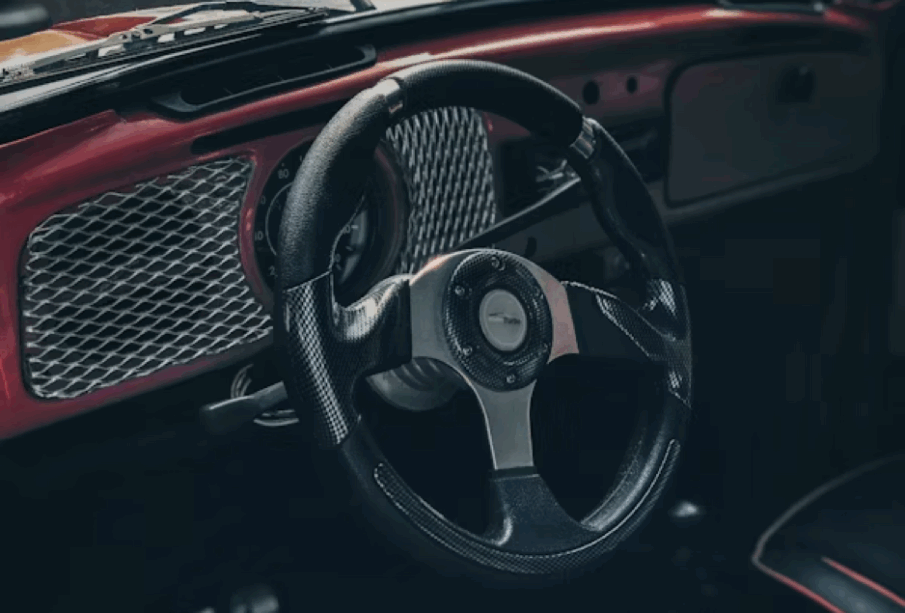
- Dashboards and Consoles: Dashboards that are original and accurate replicas retain the layout of instruments and the overall design of the vehicle, preserving its design integrity.
- Seats and Upholstery: High-quality and long-lasting seats and upholstery use durable materials and replicate original upholstery.
- Switches and Controls: Operational authenticity requires that the functional elements of knobs, levers, and buttons be original or accurate replicas.
- Weatherstripping and Seals: Effective sealing protects the interior from water ingress and preserves comfort and value.
Offering parts for interiors allows B2B suppliers and workshops for Vintage Audi parts, and thus provides a single source solution for clients, making restoration projects easier.
Performance Components: Maintaining Reliability and Longevity
In restoring the driving experience of vintage Audis, classic performance parts play an essential role in upholding the engine’s reliability and the car’s handling. Some of the most notable parts are:
- Suspension Systems: Either original or performance-oriented suspensions ensure the vintage model’s ride and handling characteristics are preserved, as well as proper vehicle dynamics.
- Braking Systems: Essential for safety and driving dynamics preservation, vintage discs, pads, and calipers are crucial for the vehicle’s and driver’s safety.
- Engine Components: Collectible vehicles, and vintage Audis in particular, benefit from strong brand image and reputation, making the vehicle’s power output and fuel efficiency critical. Engine components such as pistons, camshafts, and carburetors uphold these metrics.
- Exhaust Systems: Designed to uphold performance metrics, factory emissions of the vehicle, as well as noise levels, the exhaust systems play a key role in engine performance improvement.
By sourcing Audis from B2B clients, suppliers can enhance customer and client satisfaction by providing trust and authenticity, maximizing vehicle reliability, and incentivizing repeat business.
Strategies for Sourcing Vintage Audi Parts
In sourcing vintage Audi parts, robust supplier connections and careful planning are decisive factors. B2B companies can streamline operational efficiency and profits by employing the following approaches:
- Specialized Suppliers: Access to performance components that are OEM-compliant can be quite a challenge, making partnerships with suppliers specialized in vintage parts incredibly valuable.
- Global Networks: International sourcing enlarges the assortment of accessible components, including hard to find and discontinued parts.
- Quality Assurance: Inspecting and verifying parts addresses fitment, materials, and operational workflow, which preserves restoration trust and prevents refund issues.
- Inventory Management: Stocking vintage Audi components that are regularly used optimizes the turnaround time for workshop and distributor orders.
- Customization Capabilities: Working with partner manufacturers that specialize in reproducing or customizing classic parts guarantees that restorations stay true to the original design.
Strategic sourcing strengthens operational efficiencies and casts the B2B suppliers as reliable partners to restoration specialists.
Conclusion
Vintage Audi parts are key to maintaining the authenticity, performance, and value of classic cars. Restorations and performance upgrades are built using classic components which are essential to make them up to the exacting standards of collectors and enthusiasts.
For these B2B buyers, enhanced business potential in the expanding classic car aftermarket stems from investing in reliable sourcing avenues, maintaining healing quality assurance, and issuing a diverse catalog of vintage Audi parts. Workshops and distributors who uphold heritage and precision are able to outfit vehicles to preserve market value, improve customer satisfaction, and bolster industry standing.
Business opportunities for classic Audi restorations lie within the Audi restoration niche, as companies can satisfy a certain need within the market by offering high-value services for consumers if quality, precision, and the supply chain are prioritized.