
Why Organizations Are Choosing Volunteer Scheduling Software to Reduce Administrative Complexity
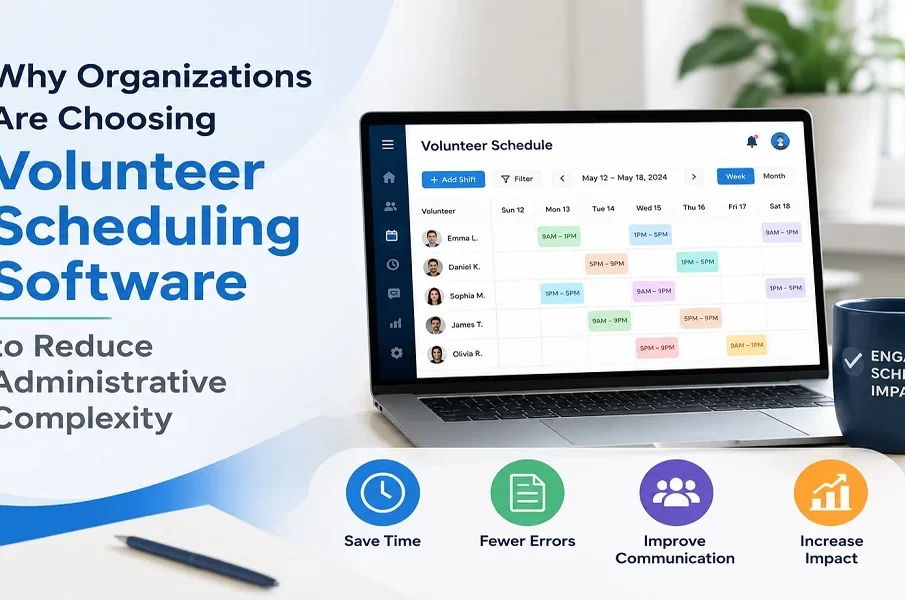
Volunteer programmes are essential to the success of many nonprofits, charities, community groups, healthcare initiatives, educational organisations, and event-based operations. Volunteers contribute valuable time, skills, and energy that help organisations expand their reach and achieve important goals. However, managing volunteers effectively often involves a considerable amount of administration. Scheduling shifts, coordinating availability, communicating updates, tracking participation, and filling staffing gaps can quickly become complicated, particularly as programmes grow. To address these challenges, many organisations are turning to volunteer scheduling software as a practical way to reduce administrative complexity and improve overall efficiency.
In the past, volunteer scheduling was often managed through spreadsheets, email chains, paper sign-up sheets, phone calls, and manual calendars. While these methods may work for smaller programmes, they frequently become difficult to maintain as volunteer numbers increase. Administrative teams may spend significant amounts of time updating schedules, responding to availability changes, sending reminders, and resolving scheduling conflicts.
Volunteer scheduling software helps streamline these processes by providing a centralised platform specifically designed to coordinate volunteer activities. By automating many routine tasks, these systems reduce administrative workloads while creating a more organised and reliable scheduling environment.
One of the most significant reasons organisations adopt volunteer scheduling software is the amount of time it saves. Scheduling can be one of the most labour-intensive aspects of volunteer management. Coordinators often need to collect availability information, assign shifts, monitor coverage levels, and respond to last-minute changes.
When these activities are managed manually, even small adjustments can require considerable effort. A single volunteer cancellation may trigger multiple emails, phone calls, or schedule updates. Volunteer scheduling software automates much of this work, allowing administrators to manage schedules more efficiently and spend less time handling routine tasks.
Improved organisation is another major benefit. As volunteer programmes grow, scheduling information can become scattered across multiple documents, inboxes, and spreadsheets. This fragmentation increases the risk of errors and makes it more difficult to maintain accurate records.
Volunteer scheduling software centralises scheduling information in one location. Coordinators can view assignments, monitor availability, and review staffing levels through a single system. This visibility helps reduce confusion and ensures that everyone is working from the most current information.
Scheduling conflicts are a common challenge for volunteer programmes. Volunteers often balance their participation with work, family obligations, education, and other commitments. Availability can change frequently, creating difficulties when schedules are managed manually.
Volunteer scheduling software helps minimise conflicts by allowing volunteers to update their availability directly within the system. Coordinators can view scheduling constraints more easily and assign shifts accordingly. This functionality improves accuracy while reducing the need for repeated communication and manual schedule adjustments.
Communication efficiency is another factor driving adoption. Volunteer programmes depend on effective communication to ensure that participants understand their responsibilities and remain informed about upcoming activities. Managing this communication manually can consume substantial administrative time.
Many volunteer scheduling software platforms include automated messaging features that send confirmations, reminders, and schedule updates directly to volunteers. These communications help reduce missed shifts while ensuring that participants have the information they need. Automation reduces administrative effort while supporting better volunteer engagement.
Shift coverage is another important area where software provides value. Organisations often need to ensure that activities are adequately staffed without over-assigning volunteers or creating unnecessary gaps. Monitoring coverage manually can be difficult, particularly when programmes involve multiple locations or large numbers of participants.
Volunteer scheduling software provides real-time visibility into staffing levels and shift assignments. Coordinators can quickly identify open positions and address coverage issues before they affect programme operations. This proactive approach helps maintain continuity and supports more reliable service delivery.
Volunteer self-service capabilities contribute significantly to reducing administrative complexity. Traditional scheduling processes often require volunteers to contact coordinators whenever they wish to register for a shift, make changes, or update their availability. These interactions can create a substantial administrative burden.
With volunteer scheduling software, participants can often manage many of these activities independently. They can review available opportunities, select shifts, update information, and monitor their schedules through the platform. This self-service functionality reduces the number of routine inquiries coordinators must handle.
Flexibility is another advantage. Volunteer programmes rarely remain static. New events may be added, schedules may change, staffing needs may shift, and unexpected situations may arise. Manual scheduling systems often struggle to adapt efficiently when changes occur.
Volunteer scheduling software allows organisations to make updates quickly and distribute information automatically. Changes are reflected throughout the system, ensuring that volunteers have access to accurate information without requiring extensive administrative intervention.
Attendance tracking is closely connected to scheduling management. Organisations often need records showing which volunteers were scheduled, which individuals participated, and how many hours were contributed. Maintaining these records manually can require considerable effort and may introduce inaccuracies.
Many scheduling platforms include attendance tracking features that simplify record-keeping and improve data accuracy. These records support programme evaluation, volunteer recognition initiatives, grant reporting, and operational planning.
Volunteer satisfaction also benefits from improved scheduling processes. Volunteers generally prefer systems that are easy to use, transparent, and flexible. Complicated scheduling procedures can create frustration and discourage participation over time.
Volunteer scheduling software creates a more convenient experience by allowing individuals to access information when it suits them. Participants can review schedules, manage commitments, and stay informed without relying on repeated communication with administrators. This convenience often contributes to stronger engagement and retention.
Scalability is another important consideration. As volunteer programmes expand, administrative complexity often increases at an even faster rate. What works for a group of twenty volunteers may become unmanageable when participation reaches several hundred individuals.
Volunteer scheduling software provides a scalable solution that can support growth without requiring proportional increases in administrative effort. Automated processes continue functioning effectively regardless of programme size, allowing organisations to expand operations more confidently.
Reporting capabilities further enhance administrative efficiency. Understanding volunteer participation patterns, shift coverage trends, and scheduling performance can help organisations improve operations and plan more effectively. Gathering this information manually often requires significant time and effort.
Volunteer scheduling software generates reports automatically, providing valuable insights into programme activity. Coordinators can evaluate scheduling effectiveness, identify recurring challenges, and make data-informed decisions regarding future planning.
Resource allocation also becomes easier with digital scheduling systems. Coordinators can match volunteer availability with organisational needs more effectively, ensuring that resources are distributed appropriately across activities and locations. Better allocation supports operational efficiency while helping volunteers contribute in meaningful ways.
Risk reduction is another benefit worth considering. Scheduling mistakes can lead to understaffed events, missed services, volunteer dissatisfaction, and operational disruptions. By improving accuracy and visibility, volunteer scheduling software helps reduce the likelihood of these issues occurring.
As organisations increasingly focus on efficiency and volunteer experience, the adoption of scheduling technology continues to grow. Volunteer programmes are often expected to deliver meaningful results while operating with limited resources. Reducing administrative complexity allows organisations to focus more attention on mission-driven activities rather than routine administrative tasks.
Volunteer scheduling software addresses many of the challenges associated with managing volunteer programmes at scale. Through automation, improved communication, centralised information management, self-service functionality, and enhanced visibility, these systems simplify operations while supporting stronger volunteer engagement.
The result is a more efficient scheduling process that benefits both administrators and volunteers. Coordinators spend less time managing logistics, while volunteers enjoy a more convenient and organised experience. As volunteer programmes continue to evolve, these advantages make volunteer scheduling software an increasingly valuable tool for organisations seeking to reduce administrative complexity and improve overall programme effectiveness.