
What Makes a Durable and Reliable Construction Hoarding System
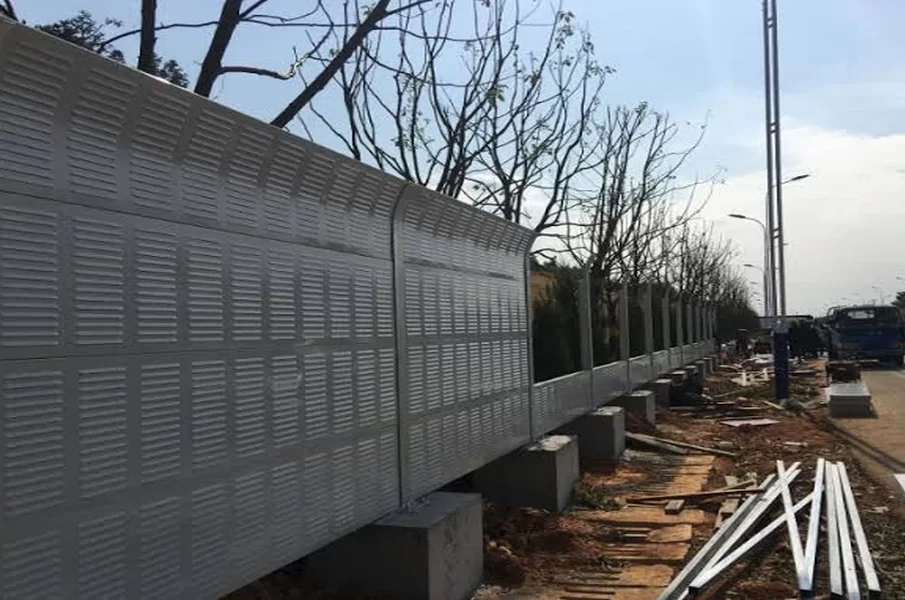
Walk through any busy city where construction is underway, and you will notice one thing before anything else: the hoarding. It is the solid perimeter that separates the public from the work zone, hides the activity inside, and keeps both safety and order in place.
A construction hoarding system might not look particularly complex from the outside, but it plays a much bigger role than most people realise. It is not just a temporary wall. It is a safety barrier, a branding space, a weather shield, and often a legal requirement all rolled into one.
So what actually makes a hoarding system durable and reliable, especially when it is exposed to wind, rain, constant vibration, and the pressures of an active construction site?
Strong Structural Framework Comes First
At the heart of any dependable hoarding system is its structure. If the frame is weak, everything attached to it becomes weak too.
Most modern hoarding systems rely on either steel or heavy-duty aluminium framing. Steel tends to offer greater strength, especially for long-term or high-impact sites, while aluminium is lighter and easier to install. The choice usually depends on the project scale and duration.
What really matters is how the frame is engineered. A good system is designed to resist lateral forces like wind load and accidental impact. In exposed urban environments, wind pressure can be surprisingly strong, especially around tall buildings or open streets. If the structure is not properly braced, panels can flex, loosen, or even fail completely.
Reliable systems also use reinforced joints and secure fixing points. These small details are what keep everything stable over time, even when the site is constantly changing.
Quality Panel Materials Make a Big Difference
Once the frame is sorted, the panels are the next critical element. These are the visible sections that form the barrier itself, and they take most of the environmental impact.
Durable hoarding systems typically use one of the following:
- Timber-based panels with weatherproof coatings
- Steel or aluminium composite sheets
- PVC or polymer-based panels for lightweight flexibility
Each material has its strengths, but durability usually comes down to resistance. The panels need to handle moisture, UV exposure, and repeated physical contact without warping or degrading.
In real-world conditions, construction sites are rarely gentle environments. Workers lean materials against hoardings, equipment gets moved nearby, and weather conditions can shift quickly. A reliable panel system is one that maintains its shape and integrity through all of this without constant repair.
Weatherproofing also plays a huge role. Properly sealed edges and protective coatings help prevent water ingress, which is one of the most common causes of long-term damage.
Stability Through Proper Ground Fixing
Even the strongest hoarding panels are only as good as what holds them to the ground. This is where fixing methods become essential.
A durable construction hoarding system will usually be anchored using concrete blocks, ground bolts, or weighted bases depending on whether the setup is temporary or semi-permanent.
In urban environments, ground penetration is not always possible due to underground utilities or paving restrictions. In these cases, weighted systems become the go-to solution. These distribute force evenly and help prevent tipping, especially in high winds.
Proper alignment also matters. If panels are not level or if bases are uneven, pressure builds up in certain areas, increasing the risk of failure over time. Contractors often carry out regular checks to make sure everything remains stable as the site evolves.
Resistance to Weather and Environmental Stress
Construction hoardings live outdoors 24/7, so they need to cope with everything the weather throws at them.
Rain is one of the biggest challenges. Water can seep into poorly sealed joints, causing swelling in timber-based systems or corrosion in metal components. That is why weatherproof coatings and galvanised materials are so widely used.
Wind is another major factor. Even moderate wind can create significant pressure across large hoarding surfaces. A well-designed system accounts for this through bracing, spacing, and structural reinforcement.
UV exposure is often overlooked, but it can slowly degrade certain materials over time. High-quality systems include UV-resistant finishes that prevent fading, cracking, or surface breakdown.
When all of these protections work together, the result is a hoarding that remains solid and presentable throughout the entire project lifecycle.
Ease of Installation and Adjustability
Durability is not only about strength. It is also about how easily a system can be installed and adapted.
Construction projects rarely stay the same from start to finish. Access points change, site layouts shift, and different phases of work require different configurations. A reliable hoarding system needs to be flexible enough to adapt without requiring full dismantling.
Modular systems are particularly effective here. They allow sections to be added, removed, or repositioned as needed. This saves time and reduces labour costs, which can make a big difference in long-term projects.
Ease of installation also reduces the risk of errors. Systems that use standardised components and simple fixing methods are less likely to be installed incorrectly, which directly improves overall durability.
Security and Safety Considerations
One of the most important roles of hoarding is security. It is not just about keeping people out, but also about protecting the site itself from theft, vandalism, and unauthorised access.
A reliable system is tall enough, strong enough, and sealed tightly enough to discourage intrusion. Weak points like gaps, loose panels, or unstable sections can quickly become security risks.
Safety also extends to the public. In busy areas, pedestrians often walk very close to hoarding lines. A stable system reduces the risk of collapse or accidental injury, especially in high-traffic zones.
Many contractors also integrate additional safety features such as warning signage, protective padding, or controlled access gates. These enhancements turn a simple barrier into a fully managed safety boundary.
Appearance and Public Perception
While strength and safety are the main priorities, appearance should not be ignored. Construction sites are often located in public-facing areas, and hoarding is the first thing people see.
A clean, well-maintained hoarding system helps improve public perception of the project. It shows organisation, professionalism, and respect for the surrounding environment.
Some contractors even use hoarding surfaces for branding, artwork, or community messaging. This can soften the visual impact of construction work and help projects integrate more smoothly into their surroundings.
A damaged or poorly maintained hoarding, on the other hand, can create the opposite effect. It can make a site look neglected and raise concerns about safety and management.
Maintenance and Ongoing Inspections
Even the best systems require ongoing attention. Regular inspections are essential to ensure everything remains secure and functional.
Contractors typically check for:
- Loose fixings
- Panel damage
- Ground movement
- Weather-related wear
- Structural shifting
Small issues are much easier to fix early on. Left unchecked, they can develop into bigger structural problems that compromise the entire system.
Routine maintenance also extends the lifespan of the hoarding, making it more cost-effective over time.
Conclusion
A truly durable and reliable construction hoarding system is not defined by a single feature. It is the combination of strong structure, quality materials, secure fixing, weather resistance, and ongoing maintenance that makes it effective.
When all of these elements come together, the result is a barrier that does far more than mark a boundary. It protects the public, secures the site, supports smooth project delivery, and presents a professional image to the outside world.
In busy urban environments, especially, that reliability is not just helpful. It is essential.