Unlock Scalability: The Case for Amazon Sellers to Partner with Trusted Dropshipping Suppliers

Selling on Amazon is a balancing act: you must deliver a stellar customer experience while juggling inventory, fulfillment, and profits. Smart entrepreneurs shift the weight by teaming up with a trustworthy dropshipping partner. By outsourcing inventory and fulfillment, sellers free up time, cut operating costs, and pour energy into brand-building. In the sections that follow, we’ll break down the vital role dependable dropshipping suppliers play for Amazon entrepreneurs and the key questions to ask before locking in a partnership.
How Dropshipping Fits into the Amazon Sales Puzzle
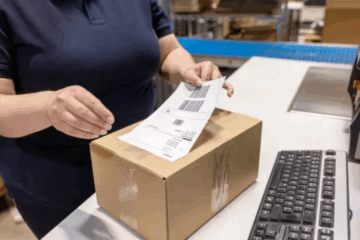
Imagine a fulfillment model that starts with the click you make on your Amazon dashboard. A buyer purchases a product and, instead of reaching for a warehouse shelf, you place the order with a vetted supplier. Within hours, that vendor preps and ships the item under your brand, and the customer never knows the order skipped the Prime warehouse. No stocking, no shelving, and no packing—just timely delivery. This dropshipping approach shrinks operational headaches while letting you extend your product catalog on far tighter cap-ex and with less risk.
For B2B businesses, dropshipping proves especially advantageous by minimizing hefty upfront spending on stock. This agility empowers sellers to pilot new items, pivot with emerging trends, and broaden catalog choices without entangling themselves in financial exposure. Still, the determinant lever remains the ability to identify dependable dropshipping partners that can process orders dependably, uphold quality, and deliver uniform results.
Why Trustworthy Dropshipping Partners Are Essential for Success
Forging alliances with solid suppliers delivers an array of advantages that ripple through an Amazon seller’s bottom line and shopper relationships:
- Uniform Quality Assurance: A dependable partner guarantees that products uphold defined criteria, slashing the chance of returns and minimizing unwelcome feedback.
- Prompt Shipment: Suppliers with streamlined logistics secure speedy dispatches, an essential benchmark for Amazon’s operational ratings.
- Live Inventory Oversight: Credible partners relay up-to-the-minute stock information, equipping sellers to steer clear of stock depletion and overcommitted listings.
- Growth-Ready Capacity: Collaboration with suppliers equipped to accommodate surging order levels empowers Amazon sellers to broaden reach without friction.
- Streamlined Customer Care: Partners that process dispatches and handle returns permit sellers to concentrate on promotion and engaging the buyer, sharpening competitive advantage.
These advantages make clear that picking the right dropshipping partner is more than a matter of operations—it’s a strategic choice that shapes the trajectory of a seller’s entire growth.
Identifying the Best Dropshipping Suppliers
Finding the optimal dropshipping suppliers involves thorough vetting to ensure dependability, product excellence, and operational effectiveness. Focus on the following criteria:
- Reputation and Performance: Seek partners with a consistent history of accurate and prompt order fulfillment. Customer reviews and case studies offer valuable indicators.
- Product Standards and Certification: Confirm that items meet industry quality benchmarks and fulfill regulatory criteria in the markets you serve.
- Availability and Communication: Suppliers with prompt, clear communication and dedicated support teams address challenges efficiently and keep you updated.
- Tech Compatibility: Partners with systems that synchronize with Amazon and automated inventory tools reduce friction in order processing.
- Agility and Growth Capability: Evaluate the supplier’s capacity to manage seasonal spikes and scale alongside your long-term growth trajectory.
Placing these criteria first enables Amazon sellers to lower operational risks, keep customers happy, and cultivate a durable dropshipping enterprise.
The Impact on Amazon Seller Performance Metrics
Keeping a pulse on key performance metrics is non-negotiable for Amazon dropshipping supplier. The order defect rate, late shipment rate, and customer feedback can all swing wildly based on the quality of the supply chain. By partnering with a dependable dropshipping supplier, sellers can turn these metrics in their favour:
- Reduced Order Defects: Suppliers with strict quality controls deliver products that match the listing, cutting complaints and return requests, and keeping defect rates low.
- Faster Shipping Times: Suppliers that consistently meet dispatch deadlines allow sellers to hit Amazon’s promised delivery windows, a factor that boosts Buy Box placement.
- Enhanced Customer Satisfaction: When products arrive on time and match customer expectations, positive feedback follows, lifting the seller’s brand reputation and visibility.
For B2B sellers, the advantage compounds—higher conversion rates, repeat business, and a trajectory of long-term growth become attainable. The alternative, partnering with an unreliable supplier, can lead to performance drops severe enough to trigger account suspensions and financial penalties.
Strategies to Build Strong Supplier Relationships
A winning dropshipping programme looks beyond supplier selection; it’s about cultivating an ongoing partnership. Use these tactics to solidify the relationship:
- Clear Communication: Regular updates on inventory levels, shipping times, and any quality control issues align expectations and reduce surprises for both parties.
- Mutual Agreements: Written agreements on volume targets, lead time commitments, and return handling protect both the seller’s and supplier’s interests.
- Performance Monitoring: Routing key metrics straight to dashboards, and offering feedback based on actual data, nudges the supplier towards continuous improvement and responsiveness.
- Joint Execution: Align on demand planning, new launches, and promotions to seize every sales window together. Insert necessary insights and metrics to propel accuracy.
- Contingency Relationships: Loyalty is vital, yet engaging with backup vendors prevents fulfillment gaps and manufacturing bottlenecks during crises. Shield revenue by preparing options.
Intentional collaboration with vendors moves lead time, trims costs, and ensures quality benchmarks that set an Amazon seller apart. Trust deepens efficiency and resilience, turning suppliers into strategic assets.
Conclusion: Alliances that Last and Deliver
In a market that rewrites the rules overnight, Amazon sellers must outpace delays and quality missteps. Purposeful partnerships with proven dropship suppliers deliver streamlined operations, lower expense lines, delighted buyers, and metrics that shine. To activate that advantage, sellers should methodically assess candidate suppliers, embed clear expectations, communicate frequently, and track performance on key KPIs.
The best vendors are more than deliverers; they are co-decision-makers who share metrics and market insights. Aligning with these partners transforms dropshipping from tactical outsource to business driver. Such an alliance is more than cost avoidance; it’s an investment in scalability, flexibility, and durability in an evolving landscape. For every seller intent on maximizing the Amazon platform, the question is not whether to pursue the optimal dropship supplier, but how fast they can execute the aligned selection, making it a core, at-scale business strategy.