
The Role Of Inlays And Onlays In Cosmetic And Restorative Care
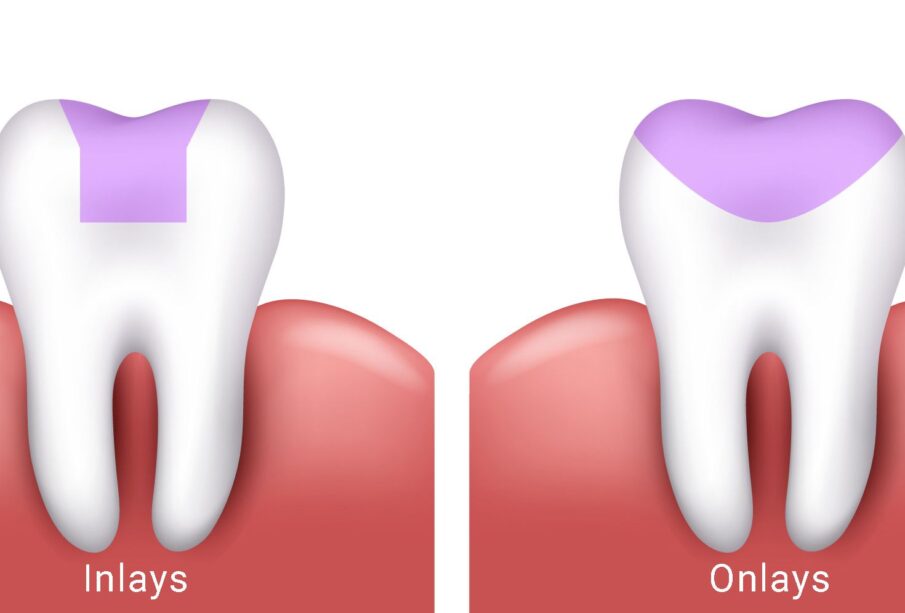
When your teeth need more than a filling but less than a crown, inlays and onlays offer a middle ground. These options provide a practical solution for those seeking cosmetic and restorative care. Often crafted from porcelain or composite resin, inlays fit within the tooth’s grooves. Onlays extend over one or more biting surfaces. Both strengthen teeth and improve appearance. A skilled dentist in Peachtree Corners can guide you through this process, ensuring the best fit for your needs. Choosing inlays or onlays can protect teeth from further damage, helping preserve your smile. They blend seamlessly, matching the natural color of teeth. This offers an aesthetically pleasing result without sacrificing functionality. Your oral health improves, and you reduce future dental work. Consider inlays and onlays when seeking durable, reliable dental care. You’ll experience a solution that balances strength with beauty. This approach ensures your teeth remain healthy and attractive.
Understanding Inlays and Onlays
Inlays and onlays fill the gap between simple fillings and full dental crowns. They cover damage left by decay or trauma. Inlays fit inside the tooth, while onlays cover more surface. Dentists choose these based on the extent of damage and location.
Both inlays and onlays are custom-made. This ensures they fit perfectly and function well. They are durable, lasting longer than standard fillings. Dentists often recommend them for teeth that endure heavy chewing forces.
Benefits of Inlays and Onlays
Several benefits make inlays and onlays a wise choice. These include:
- Strength: They reinforce weak teeth.
- Appearance: They match your tooth color, creating a natural look.
- Durability: Made from strong materials, they last many years.
- Preservation: They save more of your natural tooth compared to crowns.
Comparison: Inlays vs. Onlays
| Aspect | Inlays | Onlays |
|---|---|---|
| Coverage | Inside the tooth | Over cusps and inside the tooth |
| Use | Small to moderate damage | Moderate to extensive damage |
| Durability | High | Very High |
| Procedure | Less invasive | More extensive |
When Are Inlays and Onlays Recommended?
Your dentist will suggest inlays or onlays when a filling isn’t enough, and a crown is too much. Teeth with large cavities or minor fractures often benefit. They are also ideal for back teeth that suffer heavy chewing pressure.
Inlays and onlays are not just about fixing issues. They help prevent future problems. By covering and sealing the tooth, they stop decay and damage.
The Procedure
The process involves a few steps. First, the dentist removes any decay. Next, an impression of your tooth is taken. This ensures the inlay or onlay fits perfectly. The impression goes to a lab where your custom piece is made.
During this time, a temporary filling may protect your tooth. Once the inlay or onlay is ready, your dentist cements it in place. This final step secures it, ensuring a long-lasting bond.
Care and Maintenance
Maintaining inlays and onlays is simple. Regular brushing and flossing are essential. Routine dental visits ensure they remain in good condition. Avoid hard foods that might cause damage. With proper care, these restorations last many years.
Conclusion
Inlays and onlays provide a strong, aesthetic solution for damaged teeth. They balance cosmetic appeal with restorative strength. If you’re considering your options, consult a trusted dentist. They will help determine if inlays or onlays are right for you.
For more detailed insights, visit resources like the National Institute of Dental and Craniofacial Research and learn about dental health advancements from American Dental Association. These institutions offer valuable knowledge about your oral health options.