
Living Near Bukit Timah Schools: How Dunearn Green Fits into the Elite Education Belt
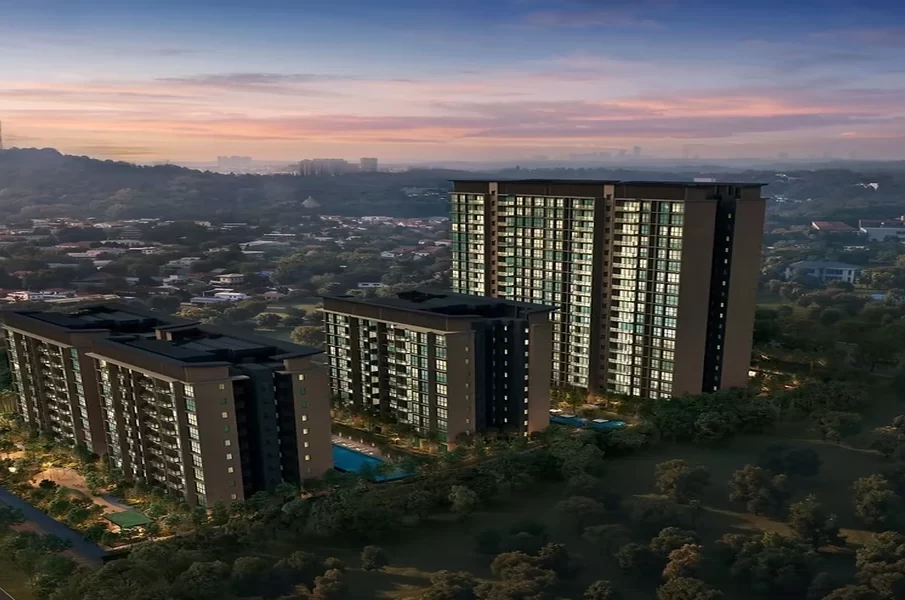
Bukit Timah carries a reputation in Singapore that few districts can match when it comes to schools, and Dunearn Green sits right inside that corridor. The area is home to a cluster of long-established institutions, the kind of names parents recognise instantly, and that proximity shapes property demand here more than almost any other single factor. This piece looks at what that education belt actually includes, how it compares to other well-connected districts, and what buyers should verify before assuming school access is a given.
The Bukit Timah Education Reputation
Decades. That’s roughly how long Bukit Timah has held onto its name as an education stronghold, built school by school into a cluster that’s genuinely hard to rival elsewhere on the island. Nanyang Primary sits here. So does Methodist Girls’ School, and Hwa Chong Institution isn’t far off either. Parents notice this kind of density, and it shows up in what they’re willing to pay. A premium gets baked into property prices simply because families trust these schools, trust earned the slow way, through generation after generation of results that didn’t waver much.
Where Dunearn Green Sits Locally
Positioned along Dunearn Road within the emerging Turf City precinct, the development sits in a part of Bukit Timah that’s seeing fresh residential activity after years of limited new supply. For comparison, The Serra Residences over in Novena offers a different kind of school access entirely, closer to central schools rather than the Bukit Timah cluster. Buyers choosing between the two districts should think carefully about which specific schools matter to their family, since general district reputation doesn’t guarantee proximity to any one particular institution.
Verifying Actual School Distance
General reputation is one thing; actual registration distance is another matter entirely. MOE calculates Primary 1 priority using OneMap’s road network distance from a specific home address, not a rough sense of which neighbourhood a school sits in. Parents should never assume a Bukit Timah address automatically lands within the 1km priority band for every nearby school, since some institutions sit closer to certain stacks than others even within the same development. Running the exact address through OneMap remains the only reliable way to confirm eligibility ahead of registration.
Secondary And Junior College Access
Beyond primary schools, Bukit Timah’s strength really shows at the secondary and junior college level too. Institutions like Hwa Chong Institution and National Junior College sit within the broader precinct, giving families a longer runway of strong options as children move up through the system. That continuity matters to a lot of parents, not having to relocate again in six years just to stay near a good secondary school. Few other districts in Singapore offer that same depth across primary, secondary, and junior college tiers all within a relatively compact area.
Property Value and School Proximity
Property values in established school belts tend to hold up better over long holding periods, partly because demand from school-seeking families rarely dries up entirely, even during broader market softness. Bukit Timah has demonstrated that pattern consistently over the years, and new launches entering the area often price in some of that premium from day one. Buyers should weigh whether that premium reflects genuine long-term value or simply reputation carried forward from decades past, since not every corner of the district benefits equally from the education belt label.
Comparing Education Access Across Districts
Different districts serve different education priorities, and it rarely makes sense to compare them on a single axis. Bukit Timah leans heavily toward the traditional, long-established school cluster, while other central districts offer their own mix of institutions with different strengths and specialisations. Families should map out which specific schools matter most to them, then work backwards toward which district and which exact address actually delivers on that access, rather than assuming any single neighbourhood covers every angle.
Conclusion
Bukit Timah didn’t stumble into its education belt reputation; decades of steady, well-regarded schools packed into a fairly tight radius built that name, and Dunearn Green happens to sit right inside it. But reputation only gets a family so far. Actual registration priority comes down to exact distance from one specific address, not how the district feels on paper or in a brochure. Anyone serious about locking in school access should run the numbers through official channels first, before treating proximity as something already settled.