
How Seasonal Eating Can Transform Your Health And Wellness
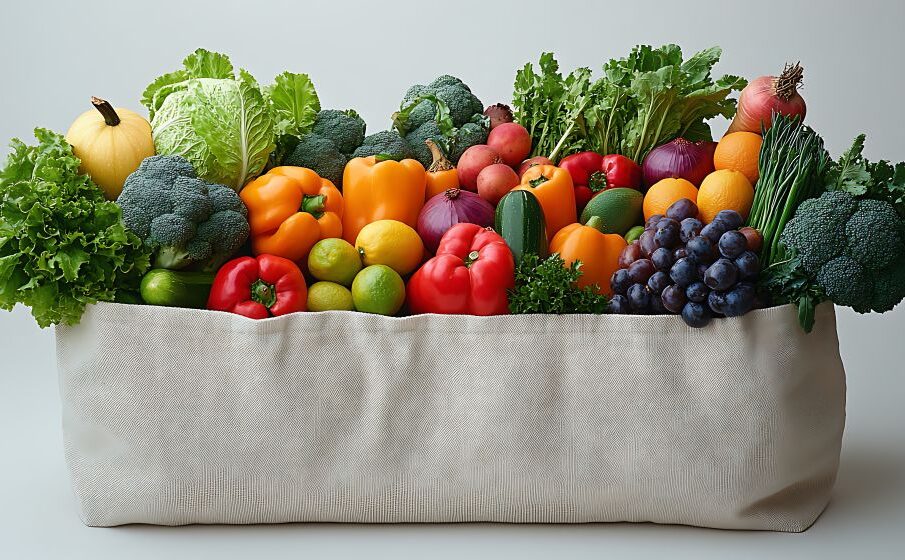
In an era of globalized supply chains, grocery store shelves can present a perpetual summer. Berries, tomatoes, and asparagus are available regardless of the month displayed on the calendar. This constant availability, while convenient, has distanced consumers from the natural rhythms of food production.
A growing movement towards seasonal eating seeks to re-establish that connection by offering a pathway to significantly enhanced health, environmental sustainability, and culinary enjoyment. This dietary approach, which involves selecting and consuming foods naturally harvested at the same time of year they’re purchased, is a return to a fundamentally more innovative way of nourishing your body.
Read on to learn how seasonal eating can transform your health and wellness.
The Nutritional Superiority of Peak-Harvest Produce
The most compelling argument for seasonal eating is its profound impact on nutritional intake. Fruits and vegetables reach their nutritional zenith when they ripen naturally in the sun on their parent plant. This vine- or tree-ripening process allows them to develop antioxidants, minerals, and vitamins.
Conversely, out-of-season produce is typically harvested weeks before peak ripeness to withstand long-distance transportation and storage. These items must be durable, not necessarily nutritious. During transit, they’re frequently exposed to light and air, which can degrade sensitive nutrients like vitamin C, certain B vitamins, and antioxidants. A tomato picked green and shipped thousands of miles simply can’t compare nutritionally to one picked ripe from a local vine just hours before purchase. Seasonal, locally-sourced food is fresher and has had less time to lose its valuable nutritional content, ensuring every bite delivers maximum health benefits.
Furthermore, checking out resources like the Herdsman Market can provide invaluable guidance if you want to rediscover this rhythm by offering detailed insights into which produce is at its peak each month.
Enhanced Flavor and Culinary Diversity
Beyond nutrition, the difference in flavor is unmistakable. For example, a strawberry consumed in December is typically a pale imitation of its June counterpart, possessing a watery texture and faint taste. Seasonal eating can reintroduce the authentic, intense flavors of food. A crisp apple in autumn, a sweet corn kernel in summer, or a rich, leafy green in spring, offer a taste experience that transcends their out-of-season versions. This cyclical availability nature also promotes culinary creativity and prevents dietary boredom.
Rather than eating the same handful of vegetables year-round, the menu changes with the calendar. The summer invites meals filled with fresh salads, grilled zucchini, and berry desserts. Fall encourages roasting root vegetables, simmering hearty squash soups, and baking with apples. Winter is also for robust greens, citrus fruits, and potatoes, while spring celebrates the arrival of peas, asparagus, and tender greens. This rotation can help keep meals exciting and ensure a diverse intake of phytonutrients throughout the year.
Economic and Environmental Impact
Choosing to eat seasonally typically aligns with supporting local economies. Farmers’ markets and local grocers are the primary sources for in-season produce, and purchasing from them keeps financial resources within the community. This direct support can sustain local farms and encourage agricultural diversity. Lastly, seasonal produce can be more affordable. When a crop is abundant, the laws of supply and demand can drive its price down, making healthy eating more accessible.
The environmental benefits are equally significant. For instance, the carbon footprint associated with transporting out-of-season produce across continents or oceans is substantial. This “food mileage” can contribute significantly to greenhouse gas emissions. Additionally, off-season cultivation frequently requires more artificial inputs, such as heated greenhouses and greater volumes of pesticides and fertilizers, placing a heavier burden on ecosystems. Opting for seasonal, local food drastically can help reduce these environmental costs to promote a more sustainable food system.
Fostering a Connection to Nature and Community
Seasonal eating can re-establish a vital connection to the natural world and its cycles. This practice grounds you in the tangible reality of the seasons in this digital age. It encourages an awareness of the local environment, weather patterns, and the hard work involved in food production. This mindfulness can lead to a greater appreciation for food, potentially reducing waste as you value each item more deeply. This approach can also foster a sense of community.
Moreover, local markets can create relationships with growers and fellow shoppers. Participating in community-supported agriculture (CSA) programs or visiting a pick-your-own farm connect people to their food source and to each other, strengthening social bonds and creating a more resilient local food network.
Practical Steps for Embracing Seasonal Eating

Adopting a seasonal diet may seem daunting, but it can be achieved through simple, gradual steps. Begin by familiarizing yourself with regional seasonal food guides, typically available from local agricultural extensions or farmers’ markets. Planning meals around these guides can also be a practical starting point. Visiting a farmers’ market can provide access to the freshest seasonal options and offer an opportunity to ask growers for preparation tips.
Preservation is another key strategy for enjoying seasonal flavors year-round. Learning to freeze, can, dry, or ferment summer’s abundance allows for enjoyment of those tastes even in the depths of winter. Finally, growing a small herb garden or a few tomato plants can provide a direct, rewarding connection to the cycle of growth and harvest.
Final Thoughts
Seasonal eating is a holistic practice that offers several benefits. It can enhance your nutritional intake, elevate your culinary experiences, support local economies, reduce environmental impact, and deepen your connection to nature and community. By keeping the information mentioned above in mind, you can make a powerful investment in your personal well-being and the health of the planet.