
How Guided Pneumatic Cylinders Improve Load Handling and Reduce Downtime
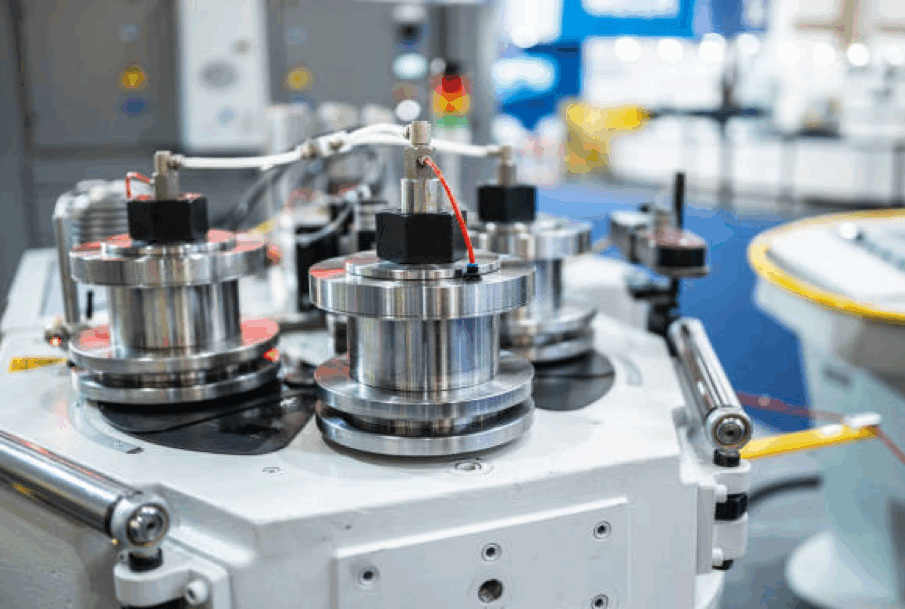
Manufacturing barely slows these days, so every blink of the eye feels like lost profit. From packing lines to assembly stations, gear has to stick to the landing every single cycle. Guided pneumatic cylinders-niche actuators that ride on tracks or guide rods-step in quietly, keeping loads straight and steady. The extra stability means fewer parts tumbles and less thumb-twiddling while repairs happen.
In the sections that follow we will look at how these cylinders trim surprise downtime, tighten load control, and why fast-moving spare-parts wholesalers really matter. Think of this as a quick hit for engineers, plant leads, and integrators who want their next automation buy to work harder, not just show off newer stickers.
What Are Guided Pneumatic Cylinders?
A guided pneumatic cylinder marries a standard air-powered cylinder with an extra guiding feature-usually steel guide rods or compact linear bearings bolted right on the housing.
The setup is simple, but the benefits stack up fast:
- It stops the piston rod from awkwardly twisting.
- It shrugs off side forces without bending.
- It keeps the travel path dead straight.
- It stays tough and rigid even when the load shifts.
Plain pneumatic cylinders often bow under sideways pressure, and that wobble gets worse over time. Swap in a guided unit and you’ll notice that off-center pushes barely dent its performance.
Manufacturers reach for these cylinders whenever the job calls for laser-like precision, whether they’re pushing parts, clamping fixtures, pressing laminates, indexing trays, or hoisting heavy loads.
Electronics plants, pharmaceutical lines, food-processing rooms, auto shops, and busy logistics hubs all treat guided cylinders like VIP gear because they keep everything lined up and moving smoothly.
How Guided Cylinders Keep Your Load Steady
Moving heavy stuff around still gives plenty of engineers and robots headaches. A plastic casing, a steel part, or a box of snacks-everything wobbles if you don’t lock it down first. Guided cylinders step in right there, and the difference is easy to spot.
No Spinning when You Slide
Slide a plain rod down a bore, and the shaft has a nasty habit of twisting just because it can. That twist messes up anything with arrows, labels, or edges that should stay lined up. Extra guide rods turn that slide into a drift-free glide, so the load never pretzels.
Same Spot, Every Single Time
Say a picker hits the same bracket hole a million times; even a hair out ruins that part. Precision-guided barrels nail the target within microns, batch after batch, decade after decade. That rock-steady repeatability is why quality managers sleep all night without counting sheep.
Buying from an experienced automation spare parts supplier gives engineers the peace of mind that guided cylinders will stay upright and in control, even under heavy loads. The build quality and careful design help keep every part of the system in balance.
Downtime Reduction Through Robust Design
Nothing drains a production budget faster than unplanned downtime. A single stalled machine can waste materials, push delivery dates, and leave customers tapping their watches. Guided pneumatic cylinders cut those surprises down to size in three important ways:
Reducing Mechanical Stress
Guided cylinders spread out forces so no single point takes all the punishment. That easy load-sharing keeps the rod, seals, and bearings happier for longer. The upshot is fewer repairs and a longer list of trouble-free cycles.
Preventing Jams and Misalignment
In high-speed setups, even a tiny shift can turn into a full-blown jam. The side guidance inside a pneumatic cylinder locks everything straight, stopping random stop signs before they start. Operators get to keep the line moving instead of reaching for a wrench.
Lowering Maintenance Frequency
Heavy-duty design usually means less babysitting. With the right grease and a decent shield against grit, a guided cylinder can run for ages without waving for service. That frees maintenance crews for projects that really need their hands.
Teaming up with quality-focused automation spare parts suppliers makes finding that kind of reliability easy. The right guided cylinder arrives ready to tackle the dust, heat, or moisture your factory throws at it.
Where Guided Cylinders Really Shine
Guided pneumatic cylinders pop up in all sorts of work sites. Their steady push and perfect tracking make them almost a cheat code for engineers trying to speed things up.
Electronics: Chips That Matter
In clean rooms where air is practically bottled, one misfire can ruin the show. A guided cylinder settles a microchip as gently as stacking a playing card, yet never wobbles out of line.
Car Factories: Punches and Panels
Press-fit jaws, trunk-hinge brackets, even the last-door dance need rock-solid travel. A guided cylinder delivers each part with the same nudge, trimming scrap and head-scratching downtime.
Food & Drink: Fast, Clean, Done
Boxes of snack cakes or wine bottles pass by like a blurry video loop. Here, a guided cylinder slides every carton into place without so much as a crumb falling.
Heavy-Lifting Zones: Steel Meets Safety
When a beam or roll of sheet metal slides onto a table, hesitating is bad manners. Guided cylinders cradle the weight, belt-tight and dependable, so nothing tilts or tips.
Manufacturers who keep their plants humming know they can buy with confidence from automation spare-parts suppliers that speak the same language as these daily battles.
Choosing the Right Guided Pneumatic Cylinder
Planning to drop a guided cylinder into your production line? Slow down for a minute and kick around these points first.
- Bore size and stroke length: Bigger bore and longer stroke give you more muscle and travel. Pick wisely.
- Load type and weight: Vertical stacks feel different from side-hung jobs, so double-check the ratings against your heaviest piece.
- Mounting style: A flange mount might fit one machine while a foot mount saves space on the next. Lay out your prints and decide.
- Shop floor climate: Dust, grind sludge, or salty air can chew seals in a hurry. Look for cylinders with the right protective coatings or enclosures.
- Speed and cycle count: Fast laps heat things up. Read the spec sheet to make sure seals and bearings won’t turn to mush after a week of overtime.
A good spare-parts distributor keeps CAD files, material lists, and test reports within arm’s reach, turning guesswork into data you can trust.
Conclusion
Guided pneumatic cylinders occupy a tiny slice of the equipment budget, yet their knack for steady motion and heavy lifting keeps bigger machines out of trouble. Spend the extra minute sizing them right, and the line will repay you with smoother runs, fewer jams, and, let’s be honest, a bit less gray hair. In the world of B2B production, that kind of reliability is worth its weight in gold.
Building a fresh assembly line, swapping in newer gear, or just trying to stop that annoying unplanned breakdown? Guided cylinders are the tool most engineers reach for first.
Buying them from a reliable automation spare parts supplier means you get a solid, high-quality part that won’t quit on you when production hits full speed. The right supplier makes all the difference.
Guided pneumatic cylinders offer tighter alignment, extra toughness, and an overall bump in your systems confidence. You see those advantages in every smooth, stable stroke they deliver.