
Car Air Purifier in India: 2025 Guide to Working Principle, Features, Specifications & Price
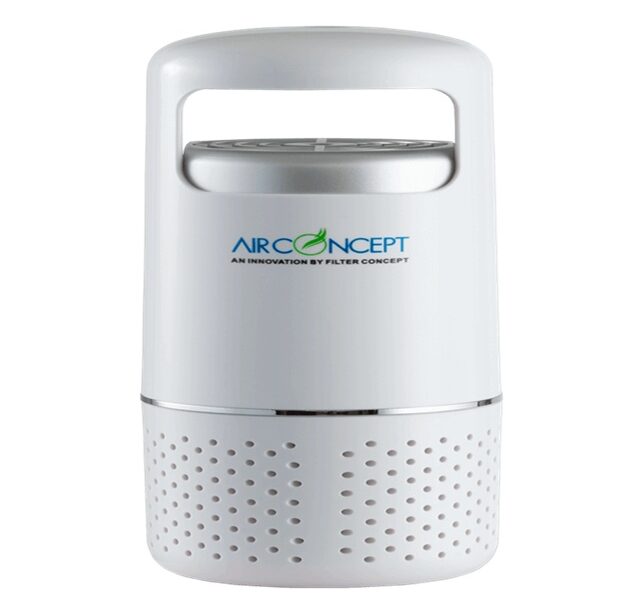
Car Air Purifier solutions have matured into must-have in-cabin wellness devices, tackling PM2.5, smoke, and volatile organic compounds during daily commutes and long drives, with models like the Air Concept ACC-7 offering HEPA filtration, 360-degree purification, and compact portability for Indian road conditions. This 1,200-word guide covers Car Air Purifier working principles, features, specifications, price context in India, and practical buying advice, referencing the official Air Concept pages for product details and dimensions.
Why a Car Air Purifier Matters
Urban traffic, idling in queues, and cabin recirculation can quickly elevate PM2.5 and harmful gases inside vehicles, even when windows are closed, making a Car Air Purifier essential in polluted corridors and during winter smog. In-cabin sources like seat foam off-gassing and fuel vapor seepage add formaldehyde and benzene risk, which a good HEPA-based purifier with adsorptive media and/or ionization can help address. Consistent use lowers particulate exposure, improves perceived freshness, and can reduce allergy flare-ups on commutes, especially for sensitive passengers.
Car Air Purifier Working Principle
Most in-car purifiers follow a staged process that mirrors room purifiers, adapted for small cabin volumes and 12V power. The fan draws air through intakes, passes it via a pre-filter for coarse dust, a HEPA medium for fine particulates (PM2.5/PM10), optionally an activated carbon layer for odors/VOCs, and sometimes a negative ion generator to agglomerate particles and refresh the air before clean air is discharged into the cabin. The Air Concept ACC-7 specifically combines HEPA filtration, 360-degree intake/outflow, and anion release (up to 5 million/cm³), balancing particulate capture with ion-aided settling in the small car environment.
Key Features to Prioritize
- True HEPA filtration: Capture efficiency near 99%+ at fine particle sizes provides the backbone for particulate removal from exhaust, brake dust, and road dust that infiltrate the cabin.
- 360-degree purification: Circular intake/outflow helps distribute clean air evenly in compact spaces like sedans and hatchbacks, reducing dead zones behind seats or consoles.
- Anion functionality: Negative ions can aid particle aggregation and help freshen the cabin feel; the ACC-7 releases up to 5 million/cm³, engineered for car-size volumes.
- Compact footprint: Car units need to fit on dashboards, cup holders, or seat backs, with dimensions and weight that prevent movement during braking; ACC-7 measures 74×74×170 mm and weighs 250 g, suiting small car spaces.
- Low-power draw and simple install: USB/12V operation, plug-and-play setup, and quiet modes support continuous commuting use without distraction or battery strain.
Car Air Purifier Specifications: Air Concept ACC-7
Air Concept’s ACC-7 is a diary-sized HEPA car air purifier designed to reduce PM2.5 and remove formaldehyde/benzene vapors associated with combustion within 8–10 minutes of operation in typical car cabins, aligning with short-trip realities. It features a Clean Air Delivery Rate (CADR) of 7 m³/h, uses a 360-degree high-efficiency HEPA filter, and releases negative ions to keep travelers fresh and vitalized, targeting particle and gas-phase pollutants in tandem. The unit’s size is 74×74×170 mm with a net weight of 250 g, ABS housing, and a stated filter life of 12–15 months depending on conditions, simplifying annual maintenance planning for daily commuters.
CADR and Cabin Performance
CADR represents how much clean air a device delivers per hour; while 7 m³/h seems modest next to room purifiers, it is tuned for compact car cabins, where the total volume may be only 2–3 m³ and targeted recirculation can quickly improve near-field air quality for occupants. In practice, positioning the unit to avoid blocked intakes and using recirculate mode during heavy traffic improves net particulate reduction, especially when entering polluted tunnels or during idling near diesel sources. For larger SUVs or frequent high-AQI routes, consider pairing with stronger in-cabin filtration settings or a purifier with higher CADR to offset higher cabin volume and open-window use.
Discuss Car Air Purifier Price in India
Car Air Purifier price bands in India typically span entry-level deals under ₹5,000 to mid-premium offerings around ₹5,000–₹8,000, and premium units beyond that with extras like sensors or displays, as seen in comparable listings from known brands. Honeywell’s Move Pure series frequently retails in the ₹4,999–₹6,999 bracket during promotions, providing context for buyer expectations on pricing tiers and features in the Indian market. A TradeIndia listing for an Air Concept-branded ACC-7 indicates an approximate retail around ₹6,000, aligning with mid-range HEPA car purifiers, though official or current pricing should be confirmed via brand channels or authorized sellers for accuracy.
Car Air Purifier Features: What Separates Good From Average
- Sealed HEPA path: Minimizes bypass, ensuring air actually passes through the HEPA media—not around it—especially important with small fans and low static pressure.
- Real adsorptive media: Sufficient carbon mass matters; thin deodorizing sheets won’t match a packed bed for VOCs or persistent odors from fuel residues and smoking.
- Ion output designed for cabins: An anion spec appropriate to small volumes can enhance particulate removal and improve the subjective freshness without over-ionizing the air.
- Vibration-resistant design: ABS housings like on ACC-7, rubberized bases, or secure mounts prevent rattles and airflow obstruction during turns or braking.
- Maintainable filters: Availability and predictable replacement cycles (e.g., 12–15 months) reduce total cost of ownership and keep performance consistent through seasons.
Car Air Purifier Working Principle: Step-by-Step
- Air intake: The device pulls in contaminated air from the cabin near the unit’s intake, often assisted by the vehicle’s HVAC flow pattern.
- Prefilter: Captures larger lint and dust, preserving HEPA life by preventing premature clogging in dusty city drives.
- HEPA filter: Traps fine particulates such as PM2.5 from tailpipe emissions, brake/tire wear, and road dust, which are common in urban Indian conditions.
- Activated carbon (if included): Adsorbs odors and VOCs like benzene and formaldehyde that may linger after refueling or during heavy traffic near diesel exhausts.
- Ionization: Generates negative ions to help particles clump and settle or become easier to capture, supporting a fresher-feeling cabin.
- Clean air outlet: Distributes purified air; 360-degree designs improve mixing and occupant coverage in tight interiors.
For Installation and Placement Tips
Mount or place the purifier where intake/outlets are unobstructed—e.g., on the center console, dashboard (if stable), or rear-seat armrest—avoiding vents that blow directly into the intake, which can disrupt flow balance. Use the vehicle’s recirculate mode in high pollution zones to reduce inflow of outdoor pollutants and allow the purifier to cycle cabin air effectively, especially during slow-moving traffic or red lights. Secure the device to prevent movement and route power cables safely away from pedals and shifter paths to maintain driving safety.
Understand for Maintenance and Filter Replacement
Regularly dust the prefilter area if accessible and replace the HEPA media per the recommended 12–15 months for the ACC-7, or sooner if commuting in consistently high-AQI areas characterized by smog or construction dust. Watch for rising odors (carbon saturation) or diminished air freshness as signals for earlier replacement, and align replacements ahead of peak winter smog seasons to ensure optimal performance when pollution spikes. Keeping the purifier and nearby cabin surfaces clean reduces resuspension and helps the device maintain target cleanliness levels with lower fan speeds and less noise.
Car Air Purifier in India: Buying Checklist
- Match the device to cabin size: Small hatchbacks and sedans pair well with compact HEPA units in the 7–15 m³/h CADR range; larger SUVs may benefit from higher CADR or strategic placement for best mixing.
- Confirm filter availability: Check that HEPA and carbon media are readily available with clear model numbers and realistic pricing; ACC-7’s listed replacement window simplifies planning.
- Consider ion + carbon: For smoke and odor-prone routes, combining HEPA with adsorptive carbon and calibrated anion output provides broader pollutant coverage.
- Price and warranty: Expect ₹5,000–₹8,000 for mid-range HEPA models; verify warranty and service channels, especially for daily-use commuters who need quick support and replacements.
Air Concept Links and Product Reference
For broader context on Air Concept’s car range and technology fundamentals, refer to the car category and fundamentals pages, which describe pollutant removal within 8–10 minutes and the company’s filtration approach for different environments. For the specific ACC-7 model, consult the detailed specs covering CADR, dimensions, weight, anion output, and filter replacement cycles to ensure the unit matches cabin size and usage patterns in Indian cities.
Bottom Line
A well-chosen Car Air Purifier protects passengers from PM2.5, VOCs, and odors encountered on Indian roads—especially during high-AQI seasons and dense traffic corridors—by combining HEPA filtration with thoughtful airflow and, where appropriate, ionization and carbon media. Air Concept’s ACC-7 brings a compact, 360-degree, HEPA-based approach with negative ion support and a cabin-appropriate CADR, aligning with the performance and maintenance needs of Indian commuters seeking fresher, safer in-car air every day.