What happens inside your retina, and how does it process visual information?
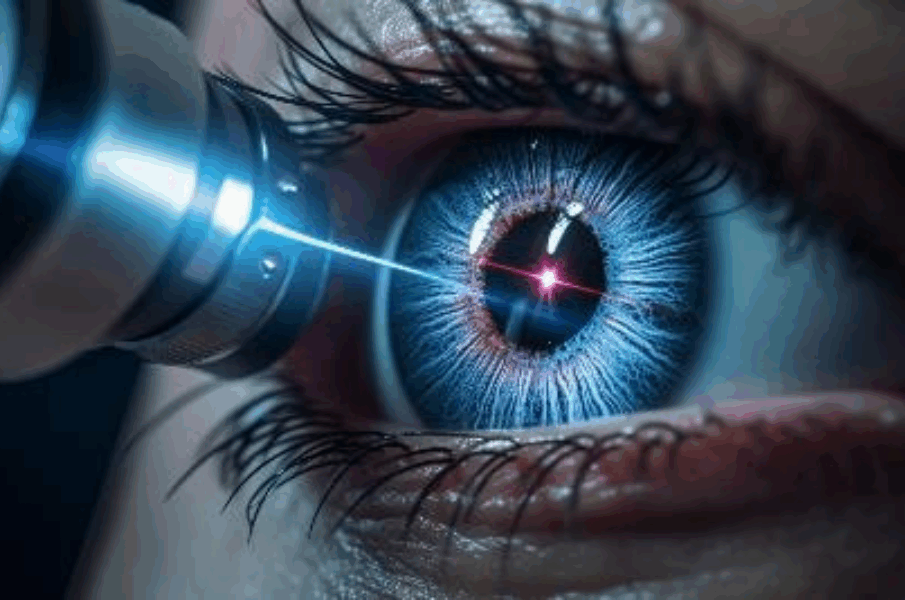
The retina functions as your eye’s primary processing centre, converting light into electrical signals that your brain interprets as vision. A thin layer of tissue contains many specialized cells that work together to capture, filter, and transmit visual information with remarkable precision. The complex processing begins when light enters your eye and continues as multiple cell types coordinate to create the images you see. Supporting optimal retinal function requires proper nutrition, with macuhealth providing essential nutrients for cellular maintenance and protection.
Light capture mechanics
Light waves enter your eye and pass through the cornea, pupil, and lens before reaching the retina at the back of your eyeball. The retina contains photoreceptor cells called rods and cones that convert light energy into electrical impulses. Rods handle low-light vision and motion detection, while cones process colour and fine detail in bright conditions. This initial conversion process transforms physical light waves into chemical signals that your nervous system can interpret and process.
The photoreceptors contain special proteins called opsins that change shape when exposed to light. This shape change triggers a cascade of chemical reactions within the photoreceptor cells, generating electrical signals that travel to other retinal cells. The intensity and wavelength of incoming light determine which photoreceptors activate and how strongly they respond, creating the foundation for all visual perception.
Neural signal processing
Once photoreceptors generate electrical signals, multiple layers of specialized neurons process this information before sending it to the brain. Horizontal and amacrine cells modify signals between photoreceptors and bipolar cells, enhancing contrast and reducing visual noise. Bipolar cells then relay processed signals to ganglion cells, which form the optic nerve that carries visual information to the brain.
- Horizontal cells enhance edge detection by comparing signals from adjacent photoreceptors
- Amacrine cells process motion detection and temporal changes in visual input
- Bipolar cells amplify necessary signals while suppressing background noise
- Ganglion cells integrate processed information and transmit final signals to the brain
- Müller cells provide structural support and maintain an optimal cellular environment
- The retinal pigment epithelium recycles visual pigments and removes cellular waste
This multi-layered processing system allows your retina to perform complex visual analysis before information reaches your brain. Each cell type contributes specialised functions that enhance image quality, detect movement, and optimise visual perception under varying lighting conditions.
Adaptation mechanisms
Retinal cells continuously adjust their sensitivity based on ambient light levels and visual demands. Dark adaptation occurs when rod cells increase their sensitivity in low-light conditions, while light adaptation prevents overexposure in bright environments. These adaptive responses help maintain optimal visual performance across vastly different lighting conditions.
- Pupillary reflexes control light entry to prevent retinal damage
- Photoreceptor sensitivity adjusts based on recent light exposure
- Neural gain control modifies signal processing based on visual conditions
- Circadian rhythms influence retinal sensitivity throughout the day
- Chemical feedback systems maintain optimal cellular function
- Protective mechanisms shield retinal cells from excessive light damage
Your retina performs continuous maintenance and optimization to preserve visual function throughout your lifetime. This complex processing system transforms simple light waves into the rich, detailed visual world you experience daily while adapting to changing conditions and protecting itself from damage.