
How kratom moves from harvested leaf to finished product?
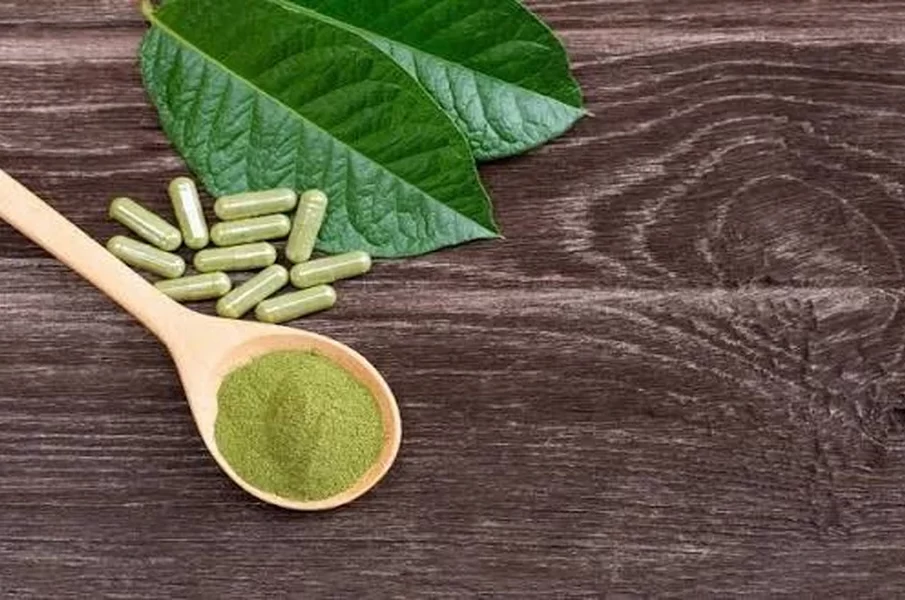
Kratom starts as a leaf on a mature tree, and what happens at harvest sets the character of everything that follows. Leaf age, vein colour, and picking timing get assessed before a single branch gets touched, because the alkaloid profile a leaf carries at that moment is what every later stage works with. Quality in the best kratom products originates here, long before a processing facility or laboratory enters the picture.
Freshly picked material carries moisture that causes problems quickly if left unmanaged, so the move from field to initial handling happens inside a controlled window. Batches get sorted by vein colour at this point, too. White, green, and red material separates before drying starts, because clean sorting now is what makes clean separation possible later.
How does drying shape the leaf?
Drying is the first major transformation the leaf undergoes, and three methods account for most of what producers use. Each one leaves a distinct mark on the alkaloid profile that travels through to the finished product.
- Sun drying pulls moisture out quickly under open exposure. Heat and light work on the leaf surface together throughout, and the profile that comes out reflects both.
- Shade drying runs cooler and takes longer. Kept away from direct intensity, the leaf holds a broader compound balance that a faster method would have shifted.
- Indoor controlled drying fixes temperature and airflow at set levels, removing weather from the equation so the profile repeats consistently across every batch that passes through.
Producers who document the method they use hand buyers a meaningful piece of information about the product’s character before any test figure gets considered.
From dried leaf to finished form
Once drying is done, the leaf moves through the stages that produce the forms a shopper actually encounters.
- Grinding – Dried leaf passes through milling equipment that reduces it to powder. Particle size gets managed here because different finished forms need different textures, and consistent milling produces material that behaves the same way at every downstream step.
- Sifting and grading – Milled powder moves through screens that separate particle sizes, making sure the finished material meets the texture specification before it goes any further.
- Blending – Some producers combine material from several drying batches to narrow the natural variation between lots. Profile consistency across the finished range improves without touching the leaf itself.
- Encapsulation or sealing – Powder moves into its final form, either into capsules for measured portions or directly into sealed packaging under conditions that protect it from that point forward.
How does quality get confirmed before dispatch?
Independent laboratories test batch samples after processing and packaging. A moisture analysis, contaminant screening, and alkaloid profile verify that the material is safe. As determined by the batch number at harvest, finished certificates are linked to the original leaf.
Producers who carry that number through every stage, from field to finished seal, build a traceable chain a shopper can actually follow. A certificate in hand and a matching code on the package give a buyer access to the full history of what they ordered, which is a different thing entirely from taking a product description at its word.