
How to Choose the Best Koi Pond Fiberglass
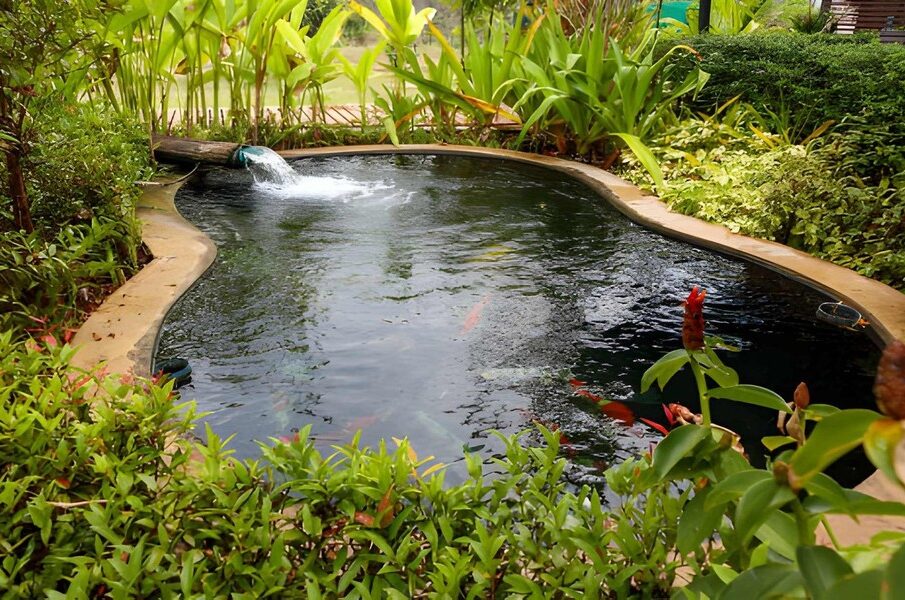
You have had enough of headaches related to liner, and constant patching. Now you want a proper fibreglass pond for your koi. But choosing can be overwhelming, honestly. So many claims.
Start Local, Think Long
If you are based in the Home Counties, you will find plenty of specialists. I kept hearing about Bedfordshire pond fibreglassing it is clearly a thing around there. And one name kept surfacing everywhere is That Pond Guy. Their work popped up on forums constantly, people sharing photos of installations that looked flawless years later. It got me thinking. Choosing is not just about the product. It is about who knows how to spec the right one for your setup.
The Technical Stuff That Actually Matters
Let us get into the nitty-gritty. Because with koi, you cannot mess about. Not even slightly.
- Wall thickness matters. Look for a minimum of 6mm total. But here is the thing – ask how it is built. You want at least two layers of 450g chopped strand mat and one layer of woven roving. Thin, resin-heavy laminates – They fail under water pressure. As simple as that.
- Resin type is non-negotiable. For koi, you need vinyl ester resin. Not polyester. Polyester can leach styrene into the water over time. Stresses fish out. Weakens their immune systems. Vinyl ester stays inert for decades. Worth paying extra for, absolutely.
- UV protection must be built in. Not sprayed on top as an afterthought. UV stabilisers need to be bonded into the resin matrix itself. Ask for test reports. Reputable manufacturers use HALS at 0.8-1.2% concentration. Otherwise, that gorgeous pond will degrade in full sun within a few seasons.
- Check the cutouts carefully. Skimmer openings. Return fittings. These are failure points. They must be reinforced with continuous fibreglass rings, bonded integrally, not glued on. Unreinforced cutouts are the biggest cause of leaks.
The Cure Is Critical
Here is something most buyers never ask about. The cure method. A proper pond undergoes thermal post-curing at 60 to 70°C for at least eight hours. Air-cured units? They retain volatile compounds. Go soft in the summer heat. Your £4,000 investment suddenly looks vulnerable. Worth checking.
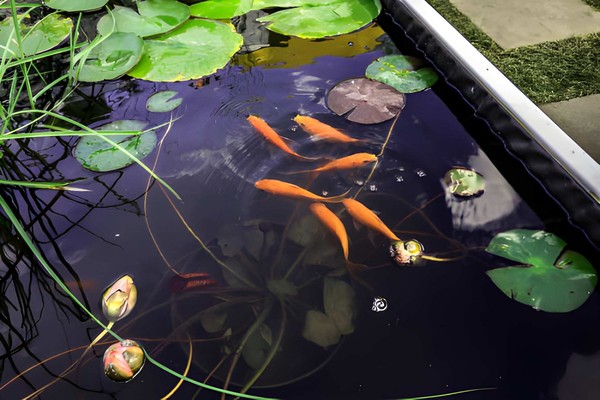
What “Ready-to-Install” Really Means
This phrase gets thrown around a lot. But professional-grade ponds arrive with proper features:
- Integrated skimmer chambers with adjustable weirs
- Triple-sealed threaded bulkheads that won’t leak
- Engineered bottom slope toward drain, minimum 4%
- Marine-grade gel coat, salt-spray tested properly
- Radius-curved corners, no sharp angles where biofilm hides
These are not luxuries. They are essentials. They eliminate guesswork. They protect your filtration. They keep water parameters stable when you have 30 jumbo koi in there demanding pristine conditions.
Final Reality Check
Choosing fibreglass is not about finding the cheapest option. It is the foundation of a living ecosystem. Save £800 upfront on cheap materials? Tempting. But within seven years, you will face repairs, fish loss, replacement, easily £5,000. A properly engineered unit pays for itself. Do your due diligence. Ask for test reports. Visit installed projects. Your koi deserve nothing less.