
Understanding Hall Sensors: Principles, Applications, and Advantages
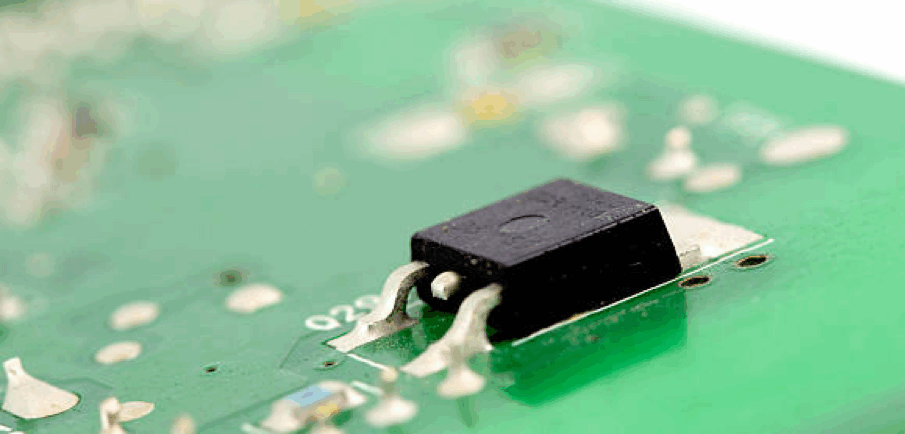
Hall sensors quietly power lots of everyday gadgets, from the engines of family cars to the tiny assembly arms that put new phones together. Because they sense magnets without any moving parts, designers lean on them for clear, trustworthy data even in dust-filled or loud environments. What follows is a simple tour of how the sensors really work, the main types buyers see on shelves, the jobs they do right now, the good things they offer, and a quick peek at future twists. The style stays easy-going and to-the-point, so purchasing teams, circuit builders, and plain-tech fans can all keep up.
What is a Hall Sensor?
A Hall sensor-or Hall-effect sensor-changes its output voltage whenever a magnetic field passes nearby. The idea goes all the way back to 1879, when U.S. physicist Edwin Hall saw electrons drift to one side of a wire in a magnetic field and produce a tiny voltage. Today, tiny chips turn that small voltage into a clean on-or-off signal, letting microcontrollers read strength, direction, or even a simple meet-or-miss. Because there are no moving arms that touch gears, Hall sensors outlast regular switches in motors, doors, and assembly lines where dust, moisture, or glare always sneak in.
Types of Hall Sensors and How They Work
Hall sensors come in several kinds, each built to handle a specific job and respond in its own way. Here are the main types you are most likely to see:
Digital Hall Sensors
Think of these as basic on-off switches. When a strong magnet shows up, the sensor flips to high; when the magnet leaves, it drops to low. People use digital Hall chips for simple tasks like knowing when a door opens or counting wheel speed.
Exploring Hall Effect Sensors: An Overview
Analog Hall Sensors
Most sensors either say “yes” or “no.” Analog Hall chips go one better by spitting out a steady voltage that climbs or drops as the magnetic field grows. That smooth output stream makes them handy for watching motor currents, tracking position with finesse, or poking around field strengths in the lab.
Latching Hall Sensors
Latching Hall parts keep a mental picture of the last reading, even when the magnet drifts away. They freeze in place until the field flips, so engineers instantly see which way things are moving. Because of that trait, you will often find latching sensors stuffed inside brushless motors, rotary encoders, and other gear that needs tight timing.
Picking the right Hall sensor really boils down to the task at hand, how accurate the numbers must be, and the kind of grime, heat, or moisture it will meet in the real world.For those seeking durable, high-precision proximity solutions, OMCH offers https://www.omchsmps.com/de/path/proximity-switch/ of proximity switches and sensor technologies suitable for various industrial environments.
Key Applications of Hall Sensors in Industry
Hall chips pop up all over factories, cars, and gadgets because they are rugged and easy to wire. Here are a few big arenas that trust them every day.
Automotive Industry
Under the hood, tiny Hall sensors read crankshaft and camshaft angles, measure wheel speed, and even check how full the gas tank is. Their ability to survive heat, cold, steam, and road dirt makes them an obvious choice for automotive jobs.
Consumer Electronics
Tiny Hall sensors sit inside smartphones, two-in-one laptops, and game controllers, letting the gadget know when you pop the lid, tilt it, or pick the stick off the table.
Industrial Automation
On speedy assembly lines they tag each part, signal motors to speed up or slow down, and steer robot arms to the next job. OMCH even sells high-speed proximity switches made just for factories that move fast.
Medical Devices
In hospitals, Hall chips steer motors, feel tiny shifts, and make sure scanners and test machines run smoothly and stay on target.
Renewable Energy Systems
Wind turbines and solar trackers use them to check rotor angles and panel positions so every gust and beam gets turned into the most power possible.
Advantages of Using Hall Sensors
Hall sensors come with a set of real-world benefits that often make them the better choice when compared to mechanical or optical devices. Here are the main reasons engineers pick them:
Non-contact operation: Because they don’t touch moving parts, they work a lot longer without wearing out.
High reliability: Dust, oil, and even water rarely bother these sensors, so they keep running where others fail.
Compact Design Their tiny form makes it easy to slip Hall sensors into cramped corners of any machine-and that saves the designer a lot of headaches later.
Wide Temperature Tolerance From the freezer room to the steel shop only a small change in readings, so these sensors always have your back.
Low Power Consumption Because they barely nibble at the Power rating single-cell batteries still last weeks in tools that run dozens of tiny sensors.
Trustworthy OEMC has been making Hall-based parts for workshops and World-class factories for years, proof that size doesn’t decide quality.
Emerging Trends and Future OutlookWith the buzz around Industry 4.0, these un-heralded sensors are headed for the big stage. Four key trends show the way.
Integration with lOT Soon Hall sensors will stream data to the cloud on their own, letting managers check motors and doors from any screen
Miniaturization Shrinking chips keep cutting energy use, opening doors for Hall sensors in smart watches, medical tubing-even inside the human body.
Enhanced Sensitivity New designs come with sharper sensitivity and better accuracy, so they nail ultra-fine positioning and detection tasks.
Multi-Sensor Modules Bundling Hall, temperature, and pressure sensors into one capsule saves board space and cleans up the wiring-an easy win in smart factories.
As factories and warehouses push hard toward full automation, the sensors that watch over each move have to speed up, too. Companies like OMCH are already building custom magnetic-sensing gadgets for almost any task that engineers can dream of.
Conclusion
Hall sensors are tough, reliable parts that keep turning up in everything from robots to game consoles. Because they feel magnetic fields without touching anything, they slip neatly into clean, modern automated systems. With smart devices popping up everywhere, demand for solid sensors like the ones OMCH makes is bound to grow.
For anyone hunting for durable, high-precision proximity sensors, OMCHs full lineup of switches and sensing solutions covers nearly every industrial setting.