How Digital Wallets Are Changing Daily Life in Malaysia
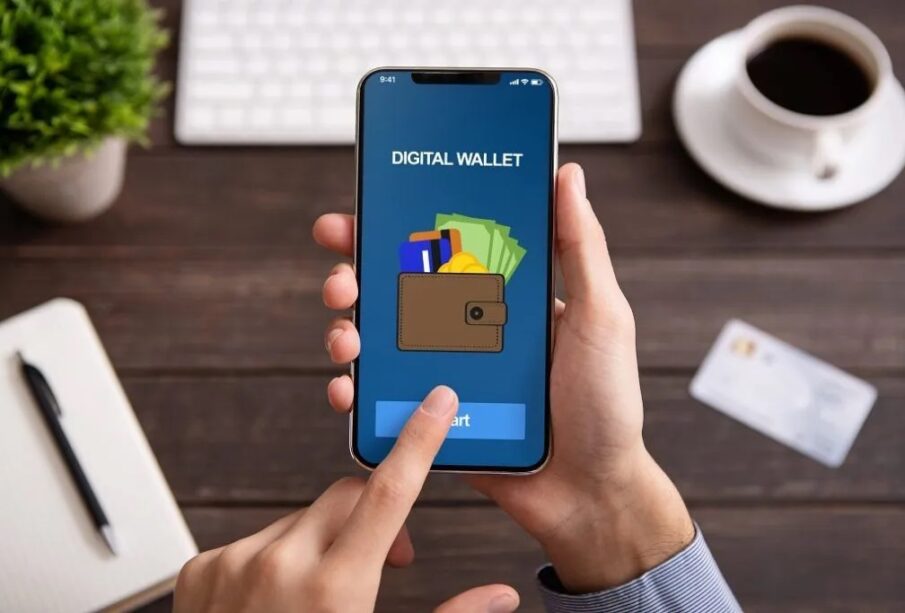
Digital wallets have shifted from novelty to an everyday necessity in Malaysia. What began as an alternative way to pay has become the default for many, blending convenience with small perks like promotions, cashback, or even Joylink free credit that sometimes pop up. In less than a decade, they’ve reshaped how people shop, commute, and share money with family.
A Country Ready for the Switch
It’s no coincidence that digital wallets took root here so quickly. Malaysia already had a strong culture of mobile use, with people relying heavily on smartphones for news, entertainment, and even government services. Adding payments to that mix felt natural. By the late 2010s, QR codes were taped to food stalls, taxis, and street musicians’ guitar cases. Today, it feels odd if a café or store doesn’t accept e-wallet payments.
Think about it: fewer people carry bulky wallets, coins, or even physical debit cards. A single app now does what your pocket used to. It’s like watching cash fade into the background of modern life.
Everyday Convenience That Adds Up
The real magic of digital wallets isn’t in one significant feature—it’s in the small moments. Paying your electricity bill without leaving your sofa, splitting dinner with friends by sending exact amounts to the sender, and topping up a prepaid phone in ten seconds flat. These micro-moments accumulate, saving time and energy you never realized you were wasting.
I once watched a group of students in Penang finish a late-night supper. There were no arguments about who owed what, no fumbling for change. One person scanned a QR code, and in less than a minute, everyone had settled their part. It felt like a glimpse of the future, only at a roadside mamak stall.
Beyond Paying: A Whole Ecosystem
Malaysia’s e-wallet scene is interesting because it’s not just about payments. These apps have evolved into ecosystems. Open your wallet app and you’ll find options to:
-
Pay bills (utilities, Wi-Fi, even parking)
-
Book movie tickets or ride-hailing services
-
Collect loyalty points
-
Access insurance or microloans
It’s not far-fetched to say digital wallets are becoming “super apps”—all-in-one platforms for daily life. That means people aren’t just using them for transactions; they’re using them for living.
Trust and Skepticism: The Balancing Act
Of course, not everyone jumped in headfirst. For older Malaysians, trusting money to an app took time. The fear of scams or technical failures was real. But banks and wallet providers put serious effort into building trust: two-factor authentication, transaction alerts, and visible partnerships with established brands.
Slowly but surely, skepticism gave way to habit. Once you see your neighbor paying for morning roti canai with her phone, it becomes harder to argue against.
The Pandemic Accelerator
Like in many countries, COVID-19 fast-tracked Malaysia’s adoption of digital wallets. Cash suddenly felt risky, even unsanitary. Contactless became the safer, smarter option. Even traditional wet markets started encouraging QR payments. What might have taken another five years happened in two.
Now, even as life has returned to a more familiar pace, people haven’t returned. Once you’ve experienced the speed and hygiene of a tap-and-go or scan-and-pay system, notes and coins feel clunky.
The Social Side of Money
One of the underrated changes is how digital wallets reshape social interactions around money. Remember when lending a friend ten ringgit meant hoping they’d remember to pay you back? Now, repayment is instant. Splitting rent among housemates? Easier than ever. Even gifting has changed: sending a small cash “ang pow” during Lunar New Year via an app is as meaningful as handing over a red envelope, just more practical for long-distance relatives.
It’s a reminder that technology changes not just efficiency but relationships.
Rural Reach and Limitations
Still, not every corner of Malaysia enjoys seamless e-wallet use. In rural areas with patchy internet, cash remains king. Some small shops still prefer hard currency because it feels tangible and immediate. Yet, the trend is clear: as coverage improves and younger generations return to their hometowns, they bring habits shaped by cities, slowly nudging even traditional settings toward digital.
The divide is shrinking, but it’s not gone.
Government Push and Private Competition
Malaysia’s government didn’t sit on the sidelines. Initiatives like e-Tunai Rakyat (where citizens received free e-wallet credits) encouraged adoption. Private companies, meanwhile, battled for users with promotions, cashback, and partnerships. This competition has been a win for consumers: more choices, better perks, and constant innovation.
But there’s also a side effect: too many wallets. At one point, people juggled half a dozen apps to catch different deals. Gradually, the market is consolidating, with a few dominant players emerging.
Looking Ahead
So what’s next? Expect wallets to merge even more with daily identity. Think digital IDs, seamless cross-border payments, maybe even integration with health services. If the current pace holds, Malaysia could be one of the first countries where carrying cash feels as outdated as using a floppy disk.
The big question isn’t whether digital wallets will dominate—it’s how they’ll evolve while balancing security, privacy, and accessibility. After all, when money becomes invisible, trust becomes everything.
Final Thoughts
Digital wallets have already rewired daily life in Malaysia. They’ve turned payment into something almost invisible, weaving it into the fabric of routines, friendships, and family traditions. From the casual QR code at a food stall to government-backed initiatives, the shift is more than financial—it’s cultural. And while perks like Joylinkfree credit add sparkle along the way, the true reward is how seamlessly life now flows with a phone in hand.
Quick FAQs
Are digital wallets safe in Malaysia? Yes, as long as you stick to recognized providers and enable security features like PIN codes and two-factor authentication.
Which are the most popular wallets? Boost, Touch ‘n Go eWallet, GrabPay, and BigPay are among the leaders.
Do small businesses accept QR codes? Increasingly, yes, especially in cities and towns. Even roadside vendors in many areas use QR codes.
Can I live entirely cashless in Malaysia? In major cities, almost certainly. It’s wise to keep some cash handy in rural areas just in case.